
Business and Finance
USPS Reverses Course on Last-Mile Delivery Changes Amid Mounting Pressure
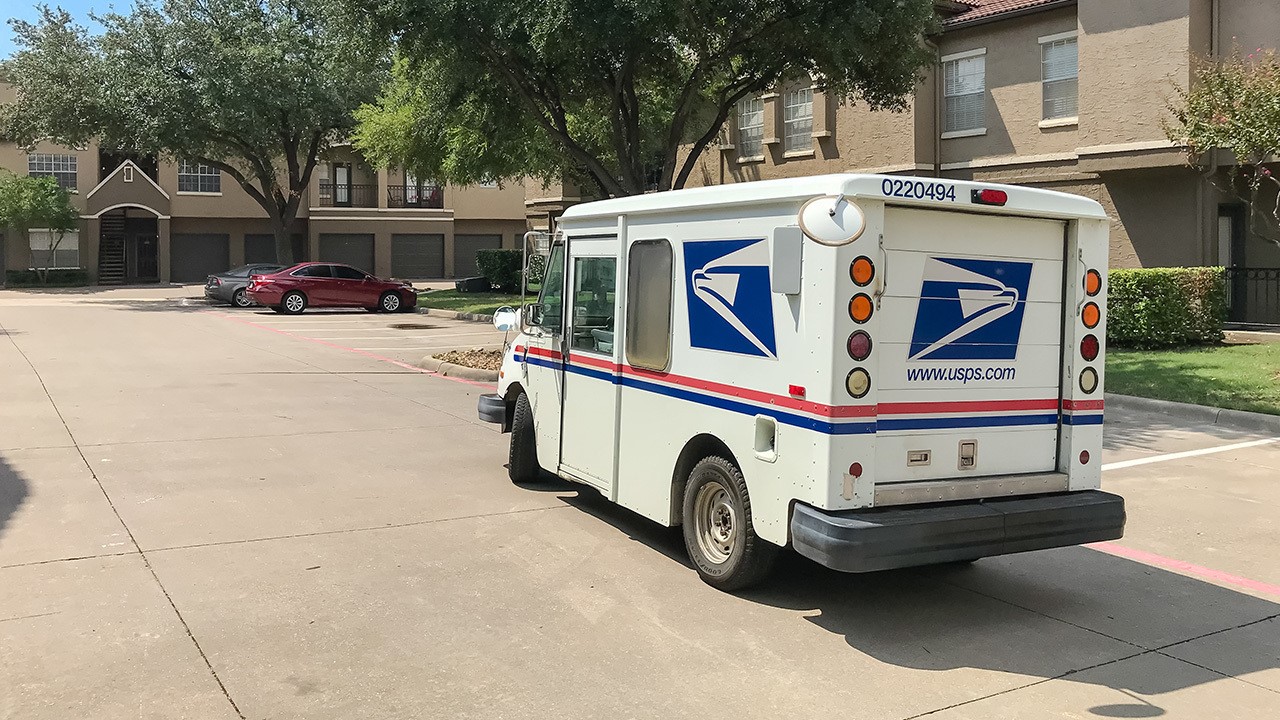
U.S. Postal Service to Reassess Strategy Following Industry Pushback
The United States Postal Service (USPS) has announced a significant reversal in its delivery strategy, opting to scale back its controversial last-mile delivery consolidation plan after widespread criticism from postal workers, customers, and logistics experts. The move underscores USPS’s renewed focus on maintaining efficiency and service reliability amid rising e-commerce demand.
The decision, revealed this week, affects the USPS last-mile delivery initiative that aimed to centralize delivery routes to reduce operational costs and optimize transportation networks. However, the plan faced pushback from multiple stakeholders who argued that the changes could delay deliveries, reduce service quality in rural areas, and put additional strain on carriers.
Why USPS Is Reconsidering Its Strategy
According to reports, USPS had initially planned to reroute many local deliveries through regional sorting and distribution centers, allowing fewer facilities to handle greater volumes. While the idea promised cost savings on paper, the real-world implications painted a different picture.
Industry analysts noted that the consolidation could have:
- Increased delivery times, particularly in remote regions
- Reduced efficiency in the “final mile” — the most customer-facing segment of shipping
- Created logistical bottlenecks during peak mail and package seasons
After internal reviews and public criticism, USPS leadership has now opted to pause or scale back several aspects of the initiative.
Focus on Service Quality and Rural Access
Postmaster General Louis DeJoy, who has spearheaded USPS’s modernization efforts, has acknowledged the need to “balance operational efficiency with service reliability.” The revised approach to USPS last-mile delivery will prioritize ensuring that both urban and rural customers continue to receive consistent delivery performance.
Rural service reliability has been a particularly sensitive issue. Many residents rely heavily on USPS for essential deliveries, from prescriptions to government documents. Lawmakers and advocacy groups had voiced concerns that the changes might widen the service gap between cities and smaller communities.
USPS officials have now confirmed they will conduct additional service impact assessments before implementing further route consolidations or facility realignments.
The Role of E-Commerce and Competitive Pressures
The e-commerce boom has transformed the logistics landscape, and USPS remains a crucial player in last-mile fulfillment for online retailers and delivery partners. Companies like Amazon, UPS, and FedEx all rely on USPS for last-mile delivery in less accessible regions — a segment often too costly for private couriers to handle independently.
With parcel volumes increasing, USPS’s infrastructure has been under pressure to evolve. However, analysts suggest that over-optimization could jeopardize USPS’s greatest advantage: its ability to deliver “everywhere, every day.”
Maintaining a nationwide reach while staying financially sustainable continues to be one of USPS’s greatest challenges.
Political and Public Response
The policy reversal has been met with cautious optimism from lawmakers and postal unions. The American Postal Workers Union (APWU) welcomed the decision, emphasizing that “service quality must remain at the core of USPS operations.”
Several members of Congress had also urged USPS to slow down its restructuring efforts, citing potential harm to small businesses and rural economies. With elections approaching, postal performance and accessibility remain politically sensitive topics — especially given USPS’s critical role in vote-by-mail processes.
What’s Next for USPS?
The USPS last-mile delivery strategy is now expected to undergo a comprehensive review in early 2026. The postal service plans to gather more data on delivery performance, customer satisfaction, and cost efficiency before deciding on future adjustments.
Key areas of focus include:
- Reducing package delays during holiday peaks
- Modernizing delivery vehicles to improve sustainability
- Enhancing data tracking and route optimization technologies
- Preserving affordability and reliability for all U.S. households
Meanwhile, USPS continues investing in new logistics hubs, electric delivery vans, and AI-driven route planning tools — efforts that form part of its long-term Delivering for America plan.
A Step Toward Balance
While the USPS’s modernization drive remains essential to its financial survival, experts agree that last-mile operations must prioritize reliability and accessibility over short-term savings. This reversal may signal a more pragmatic approach going forward — one that respects both operational needs and public expectations.
As USPS recalibrates its plans, millions of businesses and customers who depend on the postal network will be watching closely to see how America’s oldest delivery service adapts to modern challenges.For more logistics, business, and startup news updates, visit StartupNews.fyi.