

- ByStartupStory | April 9, 2024
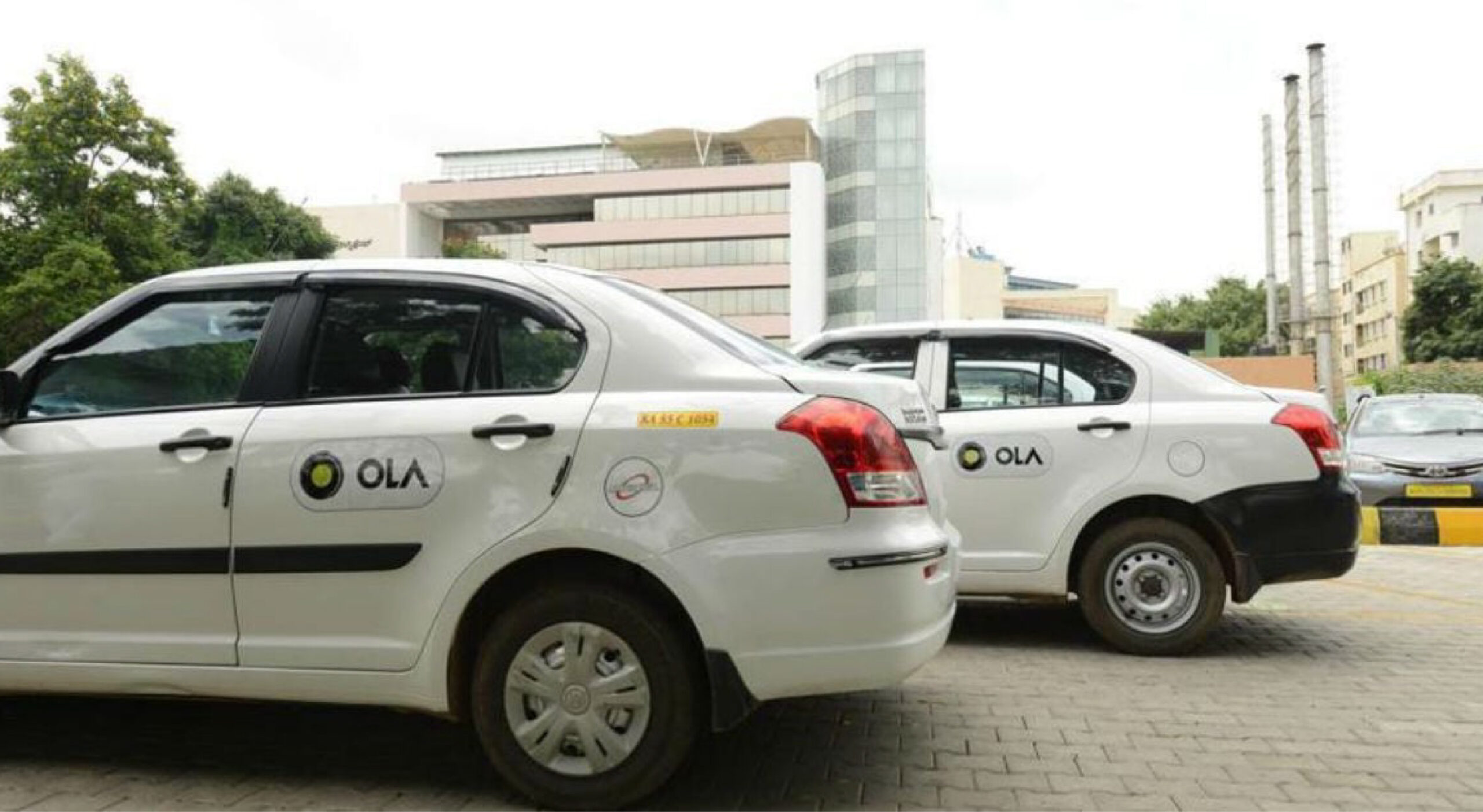
In a strategic move to revamp their revenue models and navigate tax regulations, ride-hailing giants Ola and Uber have unveiled subscription-based plans for auto-rickshaw drivers on their platforms. This initiative follows the pioneering steps of competitors Namma Yatri and Rapido, aiming to offer drivers an alternative to traditional commission-based fees.
Reports indicate that Ola has initiated the subscription model rollout in key markets such as Delhi-NCR, Mumbai, Bengaluru, and Hyderabad, while Uber has introduced similar plans in six cities, starting with Chennai, Kochi, and Visakhapatnam.
Unlike the conventional commission-based system where platforms levy a percentage of each transaction as a booking fee, the subscription model entails fixed daily or weekly charges for unlimited rides. This shift could potentially enable Ola and Uber to circumvent the 5% Goods and Services Tax (GST) applicable to auto-rickshaw rides facilitated through their platforms.
However, tax experts caution that this strategy may provoke disputes with tax authorities, citing ambiguity regarding the applicability of a September 2023 advance tax ruling, which exempted Namma Yatri from GST obligations.
Under Section 9(5) of the Central GST Act, e-commerce operators are mandated to collect and remit tax on behalf of service providers listed on their platforms. By embracing the subscription model, Ola and Uber seek to classify their service as Software-as-a-Service (SaaS), thereby altering their tax obligations.
While this move promises cost arbitrage in a fiercely competitive market, concerns linger regarding potential ramifications and the need for clarity in tax regulations. Tax experts emphasize the importance of distinguishing between platforms merely connecting drivers and passengers and those actively facilitating transactions.
Despite the allure of reduced tax burdens and enhanced driver engagement, the subscription model poses challenges such as relinquishing control over pricing for platforms. Moreover, the long-term sustainability of this approach remains contingent upon regulatory clarity and its broader acceptance within the industry.
As Ola and Uber pioneer this paradigm shift, industry observers anticipate heightened scrutiny from tax authorities and a potential reevaluation of tax policies governing ride-hailing platforms. The evolution of these subscription-based models underscores the dynamic interplay between innovation, regulation, and market competition in the rapidly evolving mobility sector.
For further insights and updates on this developing story, stay tuned.







