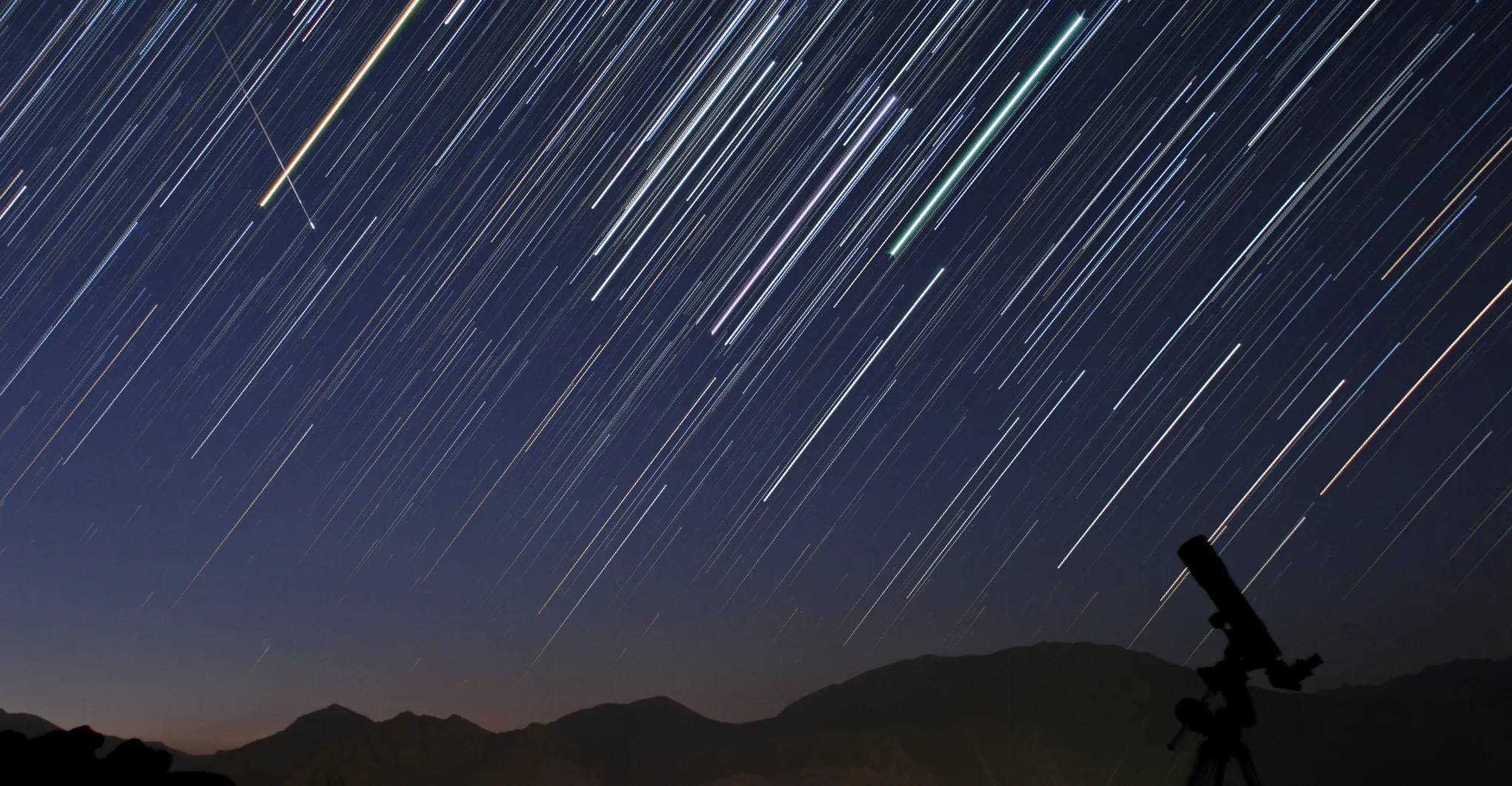
A Celestial Spectacle for Stargazers
The Northern Taurid meteor shower is dazzling skywatchers tonight and tomorrow, creating a stunning show of golden fireballs streaking across the night sky. If you’ve been searching for details on the meteor shower tonight, this is your perfect opportunity to witness one of November’s most beautiful celestial events.
The meteor shower, active from October 20 to December 10, 2025, will reach its peak on November 11-12, offering viewers a chance to spot up to 15 bright meteors per hour. These spectacular “shooting stars” are part of a slow but colorful meteor display caused by debris from Comet Encke. The Taurids are known for their larger-than-usual fragments, resulting in occasional bright fireballs that light up the sky.
Where and When to Watch the Meteor Shower Tonight
According to NorthJersey.com and Space.com, the best time to view the meteor shower is between midnight and dawn. The Northern Taurid meteors will appear to radiate from the constellation Taurus, located near the bright star Aldebaran and the Pleiades star cluster.
For optimal viewing:
- Choose a dark location away from city lights.
- Allow your eyes 20–30 minutes to adjust to the dark.
- Face any direction, though meteors will seem to emerge from Taurus, which is overhead by around 1:30 a.m.
Tonight’s waning gibbous moon will set after midnight, leaving a window of darker skies perfect for spotting these glowing streaks of light.
A Double Display: Southern and Northern Taurids
This week’s show is even more spectacular because both the Southern Taurids (which peaked on November 4–5) and the Northern Taurids are active at the same time. The overlap creates a potential double meteor shower effect, doubling your chances to catch fireballs.
The Southern Taurids remain visible until November 20, while the Northern Taurids take center stage this week before giving way to another celestial favorite — the Leonid meteor shower, which will peak on November 17–18, 2025.
What Makes the Taurid Meteor Shower Unique
Unlike fast and faint showers like the Perseids, the Taurid meteor shower produces slow, bright meteors that often appear yellowish-orange. Each glowing streak originates from particles left behind by Comet Encke, which has one of the shortest orbital periods of any known comet (just 3.3 years).
Astronomers note that the Taurids are sometimes called the “Halloween fireballs” because their activity coincides with early November and they can produce brighter-than-average meteors visible even from light-polluted areas.
Tips for Watching the Meteor Shower Tonight
To get the most out of tonight’s meteor shower, remember these viewing tips:
- Dress warmly and bring a blanket or reclining chair for comfort.
- Avoid looking at your phone or bright lights; they reduce night vision.
- Be patient — meteor showers come in bursts, with moments of quiet followed by sudden streaks.
- Use apps like Sky Guide or Star Walk to locate Taurus, Aldebaran, and Pleiades.
With clear skies, you could witness one of the most serene and mesmerizing natural displays of the year.
Looking Ahead: The Leonid Meteor Shower
If cloudy skies block your view tonight, don’t worry. The Leonid meteor shower follows soon after, peaking on November 17–18, 2025, with an expected rate of 10–15 meteors per hour under a waning crescent moon — perfect conditions for stargazing.
Don’t Miss the Show
Grab your camera, head to a dark location, and enjoy the Northern Taurid meteor shower as it lights up the sky tonight. This slow, glowing spectacle is one of the most accessible and awe-inspiring meteor showers of the year.Stay updated on more science, space, and startup innovations by visiting StartupNews.fyi.