
Business and Finance
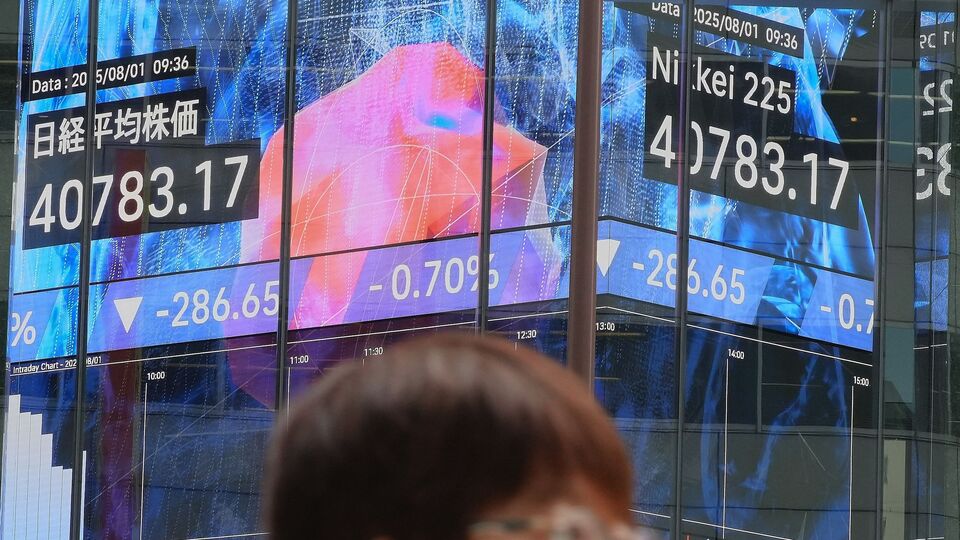
Nikkei 225 Falls as Asian Markets Close Lower Amid Investor Caution
Investors Await Key U.S. Economic Data Before Making Big Moves
The Nikkei 225 index ended lower on Tuesday as investor sentiment across Asian markets turned cautious ahead of critical U.S. economic data releases. According to a report by Handelsblatt, the Nikkei 225, along with other regional indices like the Hang Seng and the Shanghai Composite, faced selling pressure due to concerns over global growth, currency fluctuations, and monetary policy uncertainty.
The Nikkei 225, Japan’s benchmark stock index, fell moderately as the yen strengthened slightly against the dollar, weighing on exporter shares. Markets across Asia, including Japan, Hong Kong, and South Korea, were largely in the red as traders chose to stay on the sidelines ahead of upcoming U.S. inflation data and Federal Reserve commentary.
Yen Strength and Exporter Weakness Impact Nikkei 225
The recent appreciation of the yen had a notable impact on the Nikkei 225, as major exporters such as Toyota, Sony, and Panasonic saw their stock prices decline. A stronger yen reduces the overseas earnings of Japan’s export-heavy firms, making their products less competitive internationally.
Economists quoted in Handelsblatt stated that while the Bank of Japan continues to maintain an ultra-loose monetary stance, global interest rate differentials remain a concern. If U.S. inflation data comes in higher than expected, the dollar could strengthen again, which might temporarily relieve pressure on the Nikkei 225.
However, persistent concerns about slowing demand in China and weaker global trade have limited optimism for Japanese exporters in the near term.
Broader Asian Market Sentiment Weakens
The bearish trend extended beyond Tokyo. The Hang Seng Index in Hong Kong also declined, dragged down by technology and property stocks. Meanwhile, China’s mainland indices remained under pressure amid ongoing concerns about real estate debt and weak consumer confidence.
In South Korea, the Kospi index slipped as chipmakers and tech companies saw mild corrections following recent rallies. Overall, Asian investors were seen trimming riskier positions as they awaited clarity from upcoming U.S. macroeconomic indicators.
Nikkei 225 Technical Outlook
Market analysts pointed out that the Nikkei 225 has been trading within a narrow range over recent weeks. The index has struggled to maintain momentum above the 39,000 mark, with technical indicators showing signs of consolidation.
Short-term resistance is seen around 39,200, while support remains near 38,500. A decisive break below this level could trigger additional selling, but a rebound could occur if U.S. economic data eases fears of prolonged high interest rates.
Economic Factors Driving the Market
One of the key drivers behind the current market caution is the upcoming release of U.S. consumer price index (CPI) data. Traders are closely watching these figures for clues on whether the Federal Reserve will adjust its monetary policy stance.
According to Handelsblatt, investors in Asia are also monitoring oil prices and bond yields, both of which have been volatile in recent sessions. A surge in oil prices could further stoke inflationary concerns, affecting market sentiment globally.
Meanwhile, in Japan, domestic economic indicators such as industrial production and household spending are showing mixed trends, reflecting uneven post-pandemic recovery.
Global Uncertainty Adds to Pressure
The broader risk-off sentiment was not limited to Asia. European markets opened lower, and U.S. futures pointed to a muted start as global investors assessed geopolitical tensions and potential disruptions to supply chains.
Market experts suggest that the Nikkei 225 could face short-term volatility but remains supported by strong corporate earnings and ongoing government stimulus measures. However, any significant appreciation in the yen or escalation of global trade issues could further weigh on the index.
Investor Strategy Going Forward
Analysts recommend investors maintain a cautious stance while keeping an eye on defensive sectors such as utilities, healthcare, and consumer staples, which may offer relative stability amid market uncertainty.
Long-term investors may also find opportunities in Japan’s renewable energy and technology sectors, as structural reforms and innovation continue to drive potential growth.
Conclusion
The Nikkei 225 closed lower amid a broad sell-off across Asian markets as investors awaited crucial U.S. data for guidance. While short-term volatility is expected, Japan’s resilient corporate fundamentals and improving domestic sentiment could provide support in the medium term.
As global markets continue to react to inflation data and policy signals, traders are likely to remain vigilant, with risk appetite adjusting based on forthcoming economic indicators.For more global market and startup insights, visit StartupNews.fyi.