A Controversial New Plan for Homebuyers
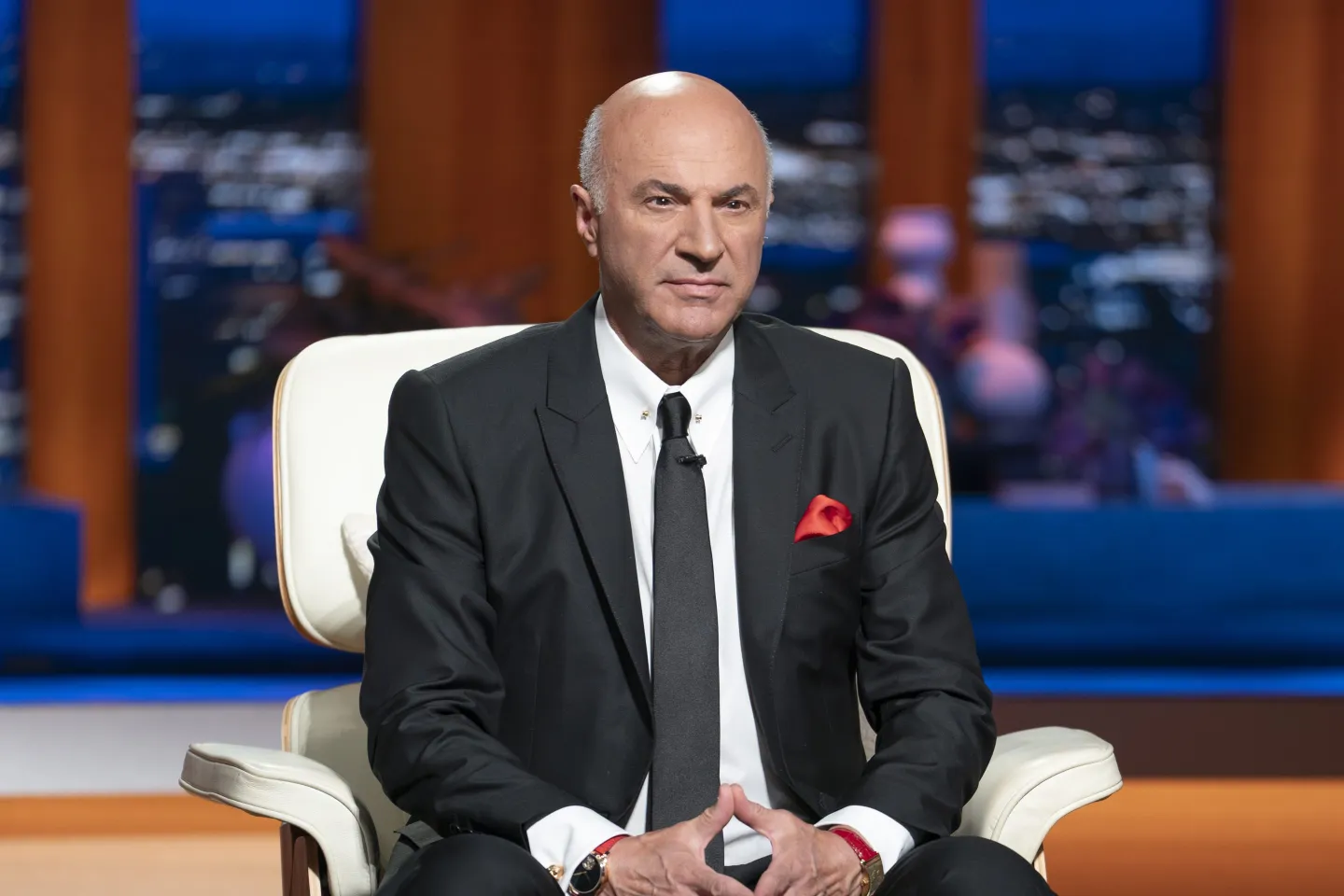
The latest proposal from the Trump administration to introduce 50-year mortgages has ignited widespread debate in the financial world — and business mogul Kevin O’Leary has now entered the conversation, calling for innovative housing finance options like portable mortgages instead of simply extending loan terms.
Under the proposed plan, federal housing agencies would back 50-year mortgage options, allowing buyers to pay lower monthly installments. While this could make homeownership appear more affordable in the short term, experts warn that it would significantly increase the total interest paid over the lifetime of the loan.
According to a recent NPR report, a $400,000 mortgage at 6.25% interest over 50 years would save buyers roughly $250 per month compared to a 30-year term. However, borrowers would pay a staggering $816,396 in total interest — about 86% more than the standard loan.
Kevin O’Leary’s Take: Portability Over Longevity
Kevin O’Leary, known from Shark Tank and as a long-time advocate for financial literacy, argues that lengthening mortgage terms isn’t a sustainable solution to housing affordability. Instead, he believes in portable mortgage models — loans that can move with homeowners when they buy a new property.
“The issue isn’t just high payments — it’s the lack of flexibility,” O’Leary has said in previous interviews. A portable mortgage could allow buyers to transfer their existing loan, interest rate, and equity to a new property, reducing transaction costs and stabilizing housing markets in volatile rate environments.
This concept is already used in countries like Canada, where portable mortgage systems help homeowners adapt to life changes without losing their financial advantage. O’Leary insists that such an approach could make far more sense for Americans than binding them to debt for half a century.
Mortgage Experts Are Skeptical
Financial analysts, including housing economist Joel Berner, caution that the proposed 50-year mortgage could harm long-term wealth building. Because payments in the early years primarily go toward interest, homeowners would take decades longer to build equity.
Chris Hendrix from NBKC Bank likened it to an “interest-only loan” in disguise. “For the first 10 years, you’re paying almost all interest. With a 50-year mortgage, you’re stretching that imbalance even further,” he said.
Critics like Bruce Marks, CEO of the Neighborhood Assistance Corporation of America, argue that extending mortgage terms “will go nowhere” because borrowers recognize the disadvantages. “They will know that they will not generate any wealth,” Marks added.
The Broader Impact on the Housing Market
The debate around the 50-year mortgage comes at a time when U.S. housing affordability is at its lowest in decades. The median homebuyer age has risen to 59 years old, while first-time buyers now average 40 years old, according to data cited by NPR.
O’Leary and other experts believe that innovation, not longer loans, is the key to fixing this crisis. They suggest focusing on policies that expand housing supply, reduce construction costs, and lower interest rate barriers — rather than shifting the burden to future generations through prolonged debt.
Could Portable Mortgages Be the Answer?
While 50-year mortgage terms may sound appealing for monthly affordability, they fail to address the structural problems driving home prices. Kevin O’Leary’s portable mortgage idea offers an alternative — a financial tool that provides homeowners with stability, flexibility, and long-term equity growth.
A portable mortgage could be especially beneficial in a market with rising interest rates, as it would allow borrowers to retain their lower-rate loans when relocating. Combined with modern mortgage tools and technology, such systems could give consumers greater control over their housing finances.
O’Leary argues that policymakers should prioritize mortgage flexibility over sheer duration. “You shouldn’t have to choose between buying a home and your financial future,” he has often remarked.
The Future of Home Financing
Whether the administration’s 50-year mortgage proposal moves forward or not, it has reignited an important conversation about the future of U.S. homeownership. As Kevin O’Leary and industry experts emphasize, the real solution may not lie in paying off a house over five decades — but in creating a smarter, more adaptable financial system that truly supports homeowners.
For the latest news on startups, finance, and housing innovation, visit StartupNews.fyi.