
Connect with us
Published
2 months agoon
By
Honey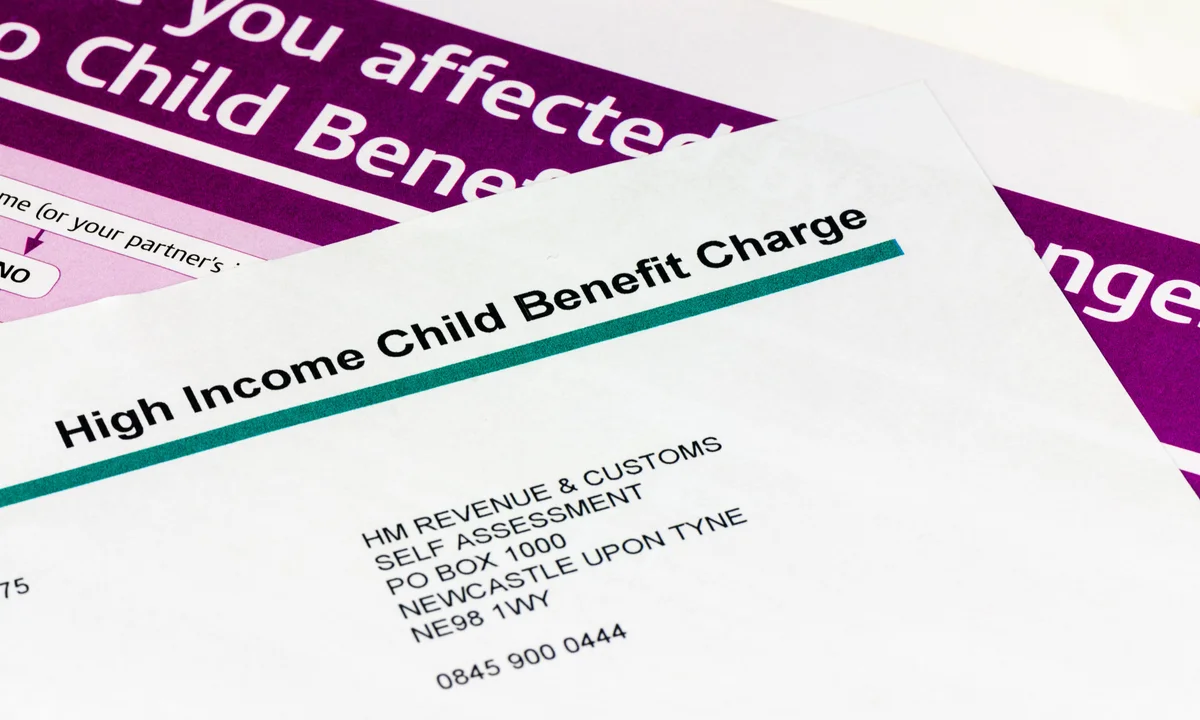
The HMRC (His Majesty’s Revenue and Customs) has issued new guidance for UK families receiving child benefits, urging parents and guardians to review and update their eligibility details amid ongoing tax system reforms. According to a BBC News report, the move comes as part of a broader effort to ensure payments are reaching the correct recipients and to reduce instances of overpayment or fraud within the welfare system.
The child benefit system, which provides financial support to families raising children under 16 (or under 20 if they remain in approved education or training), currently helps millions of households across the UK. However, recent administrative reviews have revealed discrepancies in income reporting and eligibility claims — prompting HMRC to act swiftly to tighten compliance.
Under the new guidance, HMRC is asking parents to review their household income levels and report any significant changes that could affect their entitlement. The update is especially critical for families whose incomes exceed the High Income Child Benefit Charge (HICBC) threshold of £50,000 per year.
In such cases, one parent may be required to repay part or all of the benefit through an additional tax charge. Failure to update income information could lead to penalties or unexpected repayment demands at the end of the tax year.
A spokesperson from HMRC said:
“We are reminding parents that child benefit remains a vital form of support, but it’s essential that all recipients ensure their details are accurate. If your income or family situation has changed, let us know as soon as possible to avoid any disruption to your payments.”
Families are being encouraged to check their child benefit records online via their GOV.UK account, where they can update addresses, income figures, or changes in parental responsibility.
The High Income Child Benefit Charge (HICBC) has been a source of confusion since its introduction in 2013. The policy requires individuals who earn more than £50,000 and receive child benefit — or whose partner does — to repay some or all of it through self-assessment.
However, critics have long argued that the charge disproportionately impacts single-income households and discourages benefit claims from middle-income earners. Many families have even opted out of receiving the payments to avoid the administrative burden, leading HMRC to reconsider how the system could be simplified.
The Treasury recently confirmed that it is reviewing the HICBC structure, with potential changes expected in the upcoming Spring Budget 2026. Proposals on the table include raising the income threshold and automating benefit clawbacks to reduce paperwork for families.
The child benefit rates for the 2025–26 financial year remain as follows:
Payments are usually made every four weeks, directly into a parent’s bank account. Families who recently welcomed a new child are urged to apply for benefits within three months of birth to avoid backdating delays.
HMRC also reminded claimants that both parents do not need to apply — only one person is entitled to receive the benefit per household, though the claim can be transferred if circumstances change.
As part of its renewed oversight, HMRC has identified a rise in incorrect claims, particularly involving parents who continue to receive payments after children have left education or moved abroad. The agency has launched new data-matching tools that cross-check benefit claims with school and residency records.
“We’ve introduced new technology to detect errors and prevent fraudulent claims,” HMRC said in a statement. “Our aim is not to penalize honest families but to ensure that support goes where it’s truly needed.”
Those found to have received overpayments due to negligence or fraud could face repayment demands and financial penalties. However, HMRC emphasized that families who come forward voluntarily to correct their information will not be penalized.
Experts recommend that all families receiving HMRC child benefits take the following steps:
Financial advisor Sarah Collins told BBC News that “many families overlook small income changes that can affect their eligibility, leading to surprise tax bills. Regular updates can save a lot of stress later.”
The government’s broader ambition is to modernize welfare administration by integrating digital identity verification and automatic income reporting through PAYE and self-assessment systems. The initiative is expected to streamline processes for millions of UK taxpayers while improving accuracy in benefit distribution.
For now, HMRC continues to emphasize transparency and proactive communication. Families who rely on child benefit payments are advised to stay informed about upcoming policy adjustments in 2026, which may include new income thresholds and digital claim management tools.
The latest HMRC child benefit update serves as both a reminder and a warning: keeping records accurate is essential for uninterrupted support. While the government works to simplify the system, parents must ensure compliance to avoid repayment issues or delays.
The message is clear — check your income, update your details, and stay informed as child benefit administration enters a new digital phase in the UK.
For more updates on government policy, taxation, and family finance, visit StartupNews.fyi — your trusted source for business, tech, and economy news.