Gaming
Former PlayStation Executive Urges Sony, Microsoft, and Nintendo to Learn from VHS vs Betamax

A former PlayStation executive has cautioned that Sony, Microsoft, and Nintendo must learn from the historic VHS versus Betamax format war as the video game industry enters a new era shaped by hardware transitions, cloud gaming, and platform ecosystems.
The comments highlight how technical excellence alone does not guarantee success, a lesson the gaming giants may need to revisit as competition intensifies across consoles, services, and digital distribution.
Summary
A former PlayStation executive has drawn parallels between today’s console competition and the VHS–Betamax format war, warning that ecosystem strength, accessibility, and partnerships often matter more than raw technical superiority.
The VHS vs Betamax Lesson
The VHS–Betamax battle of the late 1970s and 1980s is widely regarded as a defining case study in technology history. While Betamax was often praised for superior picture quality, VHS ultimately won due to broader licensing, lower costs, and stronger content availability.
According to the former PlayStation executive, the same principles apply to the modern gaming industry. Platforms that prioritize ease of access, developer support, and consumer convenience are more likely to succeed long-term than those focused purely on specifications.
Relevance to Today’s Console Market
The current console landscape is dominated by three major players:
- Sony
- Microsoft
- Nintendo
Each company has adopted a distinct strategy. Sony emphasizes cinematic, first-party exclusives. Microsoft focuses on services, subscriptions, and ecosystem reach. Nintendo continues to differentiate through unique hardware concepts and iconic franchises.
The former executive argues that none of these companies can rely solely on hardware power or brand legacy.
Ecosystems Matter More Than Specs
One of the key takeaways from the VHS–Betamax comparison is the importance of ecosystem scale. This includes:
- Developer-friendly platforms
- Strong third-party support
- Clear value propositions for consumers
- Flexible distribution and pricing models
In gaming, this translates into factors such as subscription services, backward compatibility, cross-platform play, and content libraries. Companies that fail to balance these elements risk losing relevance, regardless of technical achievements.

Cloud Gaming and New Format Risks
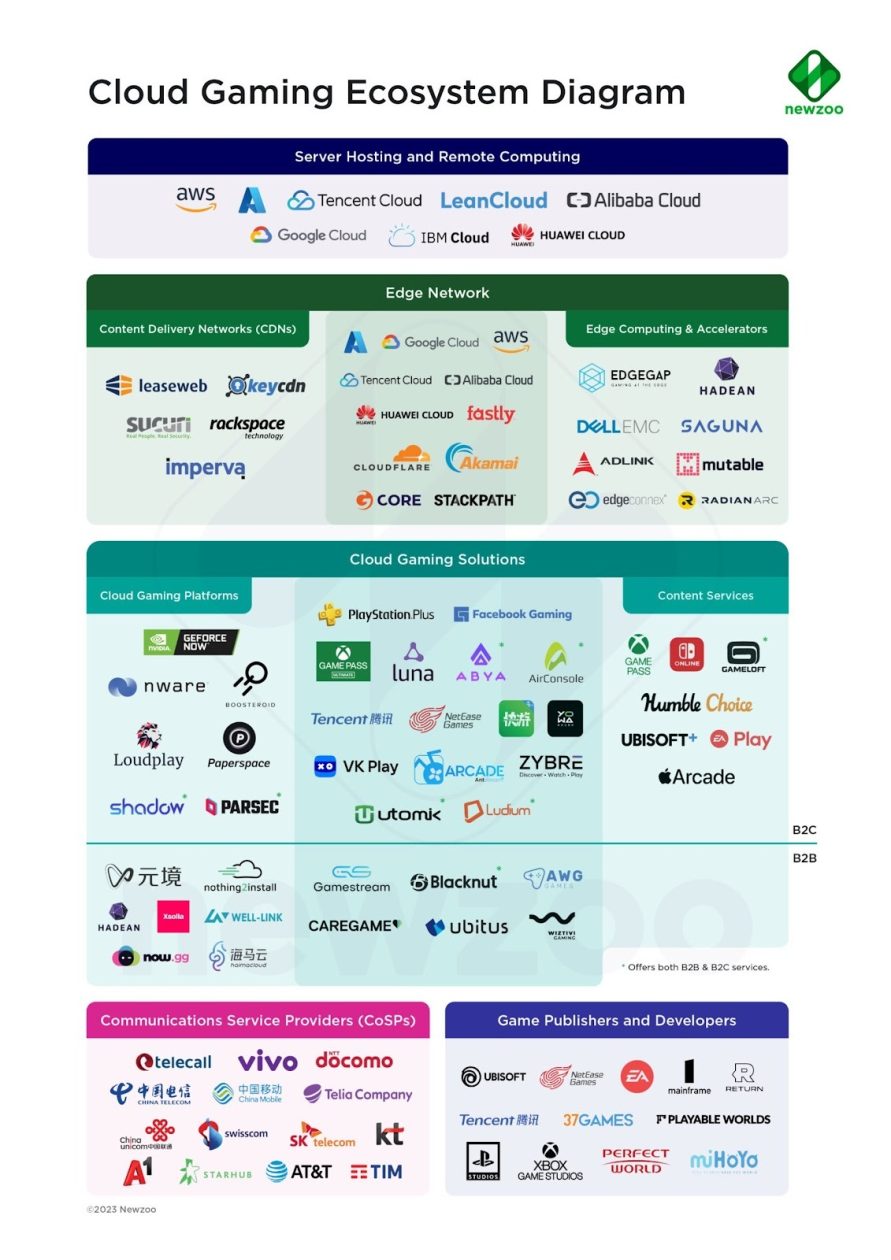
The former PlayStation executive also pointed to emerging technologies such as cloud gaming and digital-only platforms as potential modern equivalents of past format wars. While these innovations promise convenience, they also introduce risks if consumer adoption does not align with industry expectations.
History shows that pushing formats before the market is ready can backfire. Companies that listen closely to player behavior and preferences are better positioned to avoid costly missteps.
Implications for Future Consoles
As the industry looks toward next-generation hardware and hybrid models, the warning serves as a reminder that success depends on more than performance metrics. Pricing, availability, content partnerships, and long-term support can ultimately decide winners and losers.
The executive suggested that collaboration with developers and openness to consumer choice may prove more decisive than proprietary control.
Why the Comparison Still Resonates
The VHS–Betamax analogy continues to resonate because it demonstrates how market dynamics often favor practical solutions over technically superior ones. In gaming, players value convenience, affordability, and access to content as much as visual fidelity or processing power.
This reality places pressure on platform holders to remain adaptable rather than overly rigid in their strategies.
Conclusion
The former PlayStation executive’s remarks serve as a timely reminder for Sony, Microsoft, and Nintendo. As the gaming industry evolves, lessons from past technology battles remain relevant.
By focusing on ecosystem strength, partnerships, and consumer-first decisions, platform holders can avoid repeating the mistakes of history and remain competitive in an increasingly complex market.
Key Highlights
- Former PlayStation exec cites VHS–Betamax as a cautionary tale
- Ecosystem strength often outweighs technical superiority
- Sony, Microsoft, and Nintendo face new format-style risks
- Cloud gaming and services mirror past technology shifts
- Consumer adoption ultimately determines winners