BillMe was founded in 2018 and offers services such as digital billing, data collection, and automated customer engagement for retail brands.
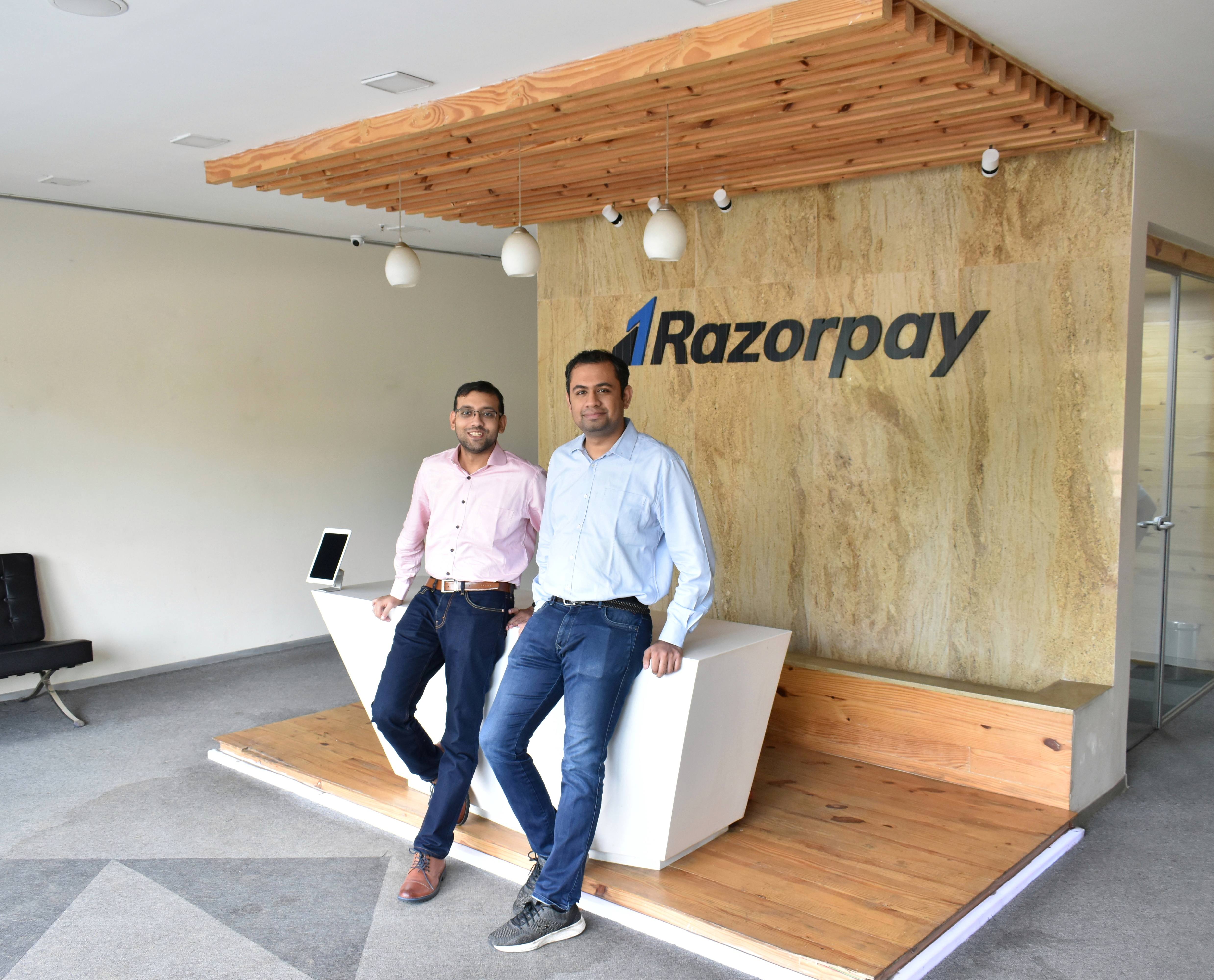


BillMe was founded in 2018 and offers services such as digital billing, data collection, and automated customer engagement for retail brands.
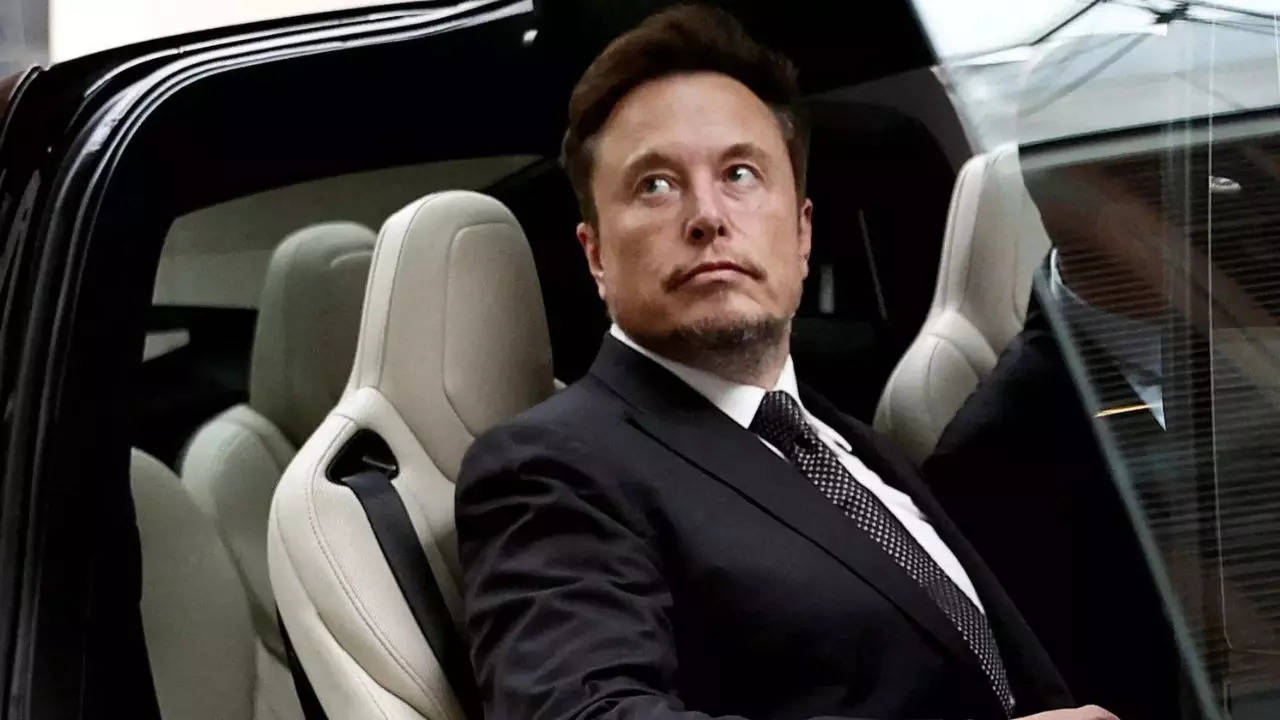
Elon Musk’s satellite company Starlink is expected to receive approval from the Indian telecom ministry to offer services in the country. A meeting is scheduled for later this month to discuss Starlink’s proposal for a global mobile personal communication by satellite (GMPCS) services license.
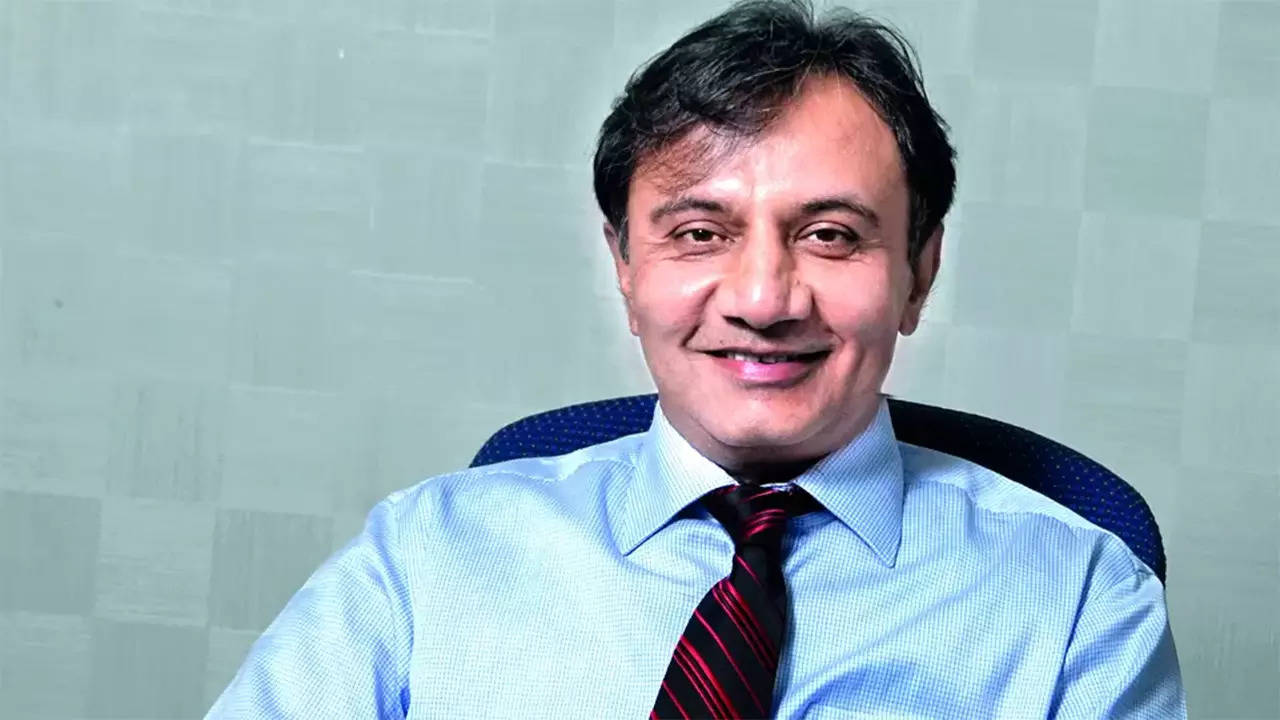
The Reserve Bank of India (RBI) has approved the reappointment of Sandeep Bakhshi as the managing director and CEO of ICICI Bank for another three years. Bakhshi took over the role in 2018 after his predecessor resigned amid investigations into loans. Under Bakhshi’s leadership, the bank has achieved strong financial performance, reporting its highest-ever net profit and seeing an improvement in asset quality.
We don’t often review books at TechCrunch, let alone fiction, but sometimes a work comes along that is just so carefully tuned to the ecosystem we cover that it justifies a quick post. And so here we have “Exadelic,” a sci-fi novel by erstwhile TC contributor Jon Evans, who does his level best to match […]

Venture Catalysts, India’s first and largest early-stage investment firm, has announced full exit from its portfolio Koovers, a leading B2B e-commerce platform for auto spare parts, with handsome 2.1x returns in just 1.5 years.
Venture Catalysts (Vcats) exited its investment in Koovers after the latter’s acquisition by Schaeffler India Ltd, an industrial and automotive parts maker and listed subsidiary of German automotive major Schaeffler Group, in August 2023. Schaeffler acquired Koovers for Rs 142.4 crore.
Venture Catalysts had invested in Koovers in early 2022 in its pre-Series A round through its Angel Fund and few other Angels and Family Offices directly investing in the company. All the investors have got an exit with the acquisition. Inflection Point Ventures, Canbank Venture Fund, and JPIN some of the other marquee investors in Koovers.
“Koovers is one of the rarest startup that is not only solving a major problem in the automotive aftermarket segment but also been posting impressive revenues year after year. We invested in the company for a long term but the acquisition was a great exit opportunity with over 2.1x returns in just 1.5 years in a market that’s facing a longish funding winter and a liquidity crunch. These opportunities to the investors creates a huge positive impact in the entire ecosystem,” said Dr Apoorva Ranjan Sharma, Founder and Managing Director of Venture Catalysts ++.
Founded in 2015 by Vinayak YB, Sandeep Begur, and S Prem Kumar, Koovers is a B2B e-commerce platform that supplies auto spare parts to independent auto workshops (IWS) and the aftermarket ecosystem. It has clocked a revenue of Rs 77 crore in 2022-23 and supplies to over 7,000-plus workshops and has a portfolio of around 1.8 million parts from various manufacturers.
“We are quite excited to have had investors like Venture Catalysts on our captable. With their guidance under the leadership of Dr Apoorva Ranjan Sharma, we we were able to achieve our growth metric goals thus creating immense value for all our investors,” said Sandeep Begur, Cofounder, Koovers.
About Venture Catalysts:
Venture Catalysts is India’s first integrated incubator. It typically invests $250K – $2 Mn in early-stage start-ups with a potential to create enduring value for over a long period of time. Founded in 2016 by Dr Apoorva Ranjan Sharma, Anuj Golecha, Anil Jain and Gaurav Jain, Venture Catalysts has invested in over 300+ startups since inception. The cumulative valuation of the startups invested by Venture Catalysts is $10 Bn+. Venture Catalysts has a presence across 55 cities in 9 countries and is one of the most active early-stage investors globally.
Generative AI startups should familiarize themselves with the parameters and limits of several common antitrust theories of harm.
Keeping up with an industry as fast-moving as AI is a tall order. So until an AI can do it for you, here’s a handy roundup of recent stories in the world of machine learning, along with notable research and experiments we didn’t cover on their own. This week in AI, d-Matrix, an AI chip startup, […]
Edtech firm BYJU’S is considering selling two of its assets, Epic and Great Learning, in a bid to generate at least $800 million. This move is part of the company’s strategy to repay the debt associated with a $1.2 billion term loan B (TLB) owed to its lenders, according to sources familiar with the matter.
BYJU’S, led by Byju Raveendran, is estimating that the sale of Epic, a US-based startup specializing in a digital reading platform for children aged 12 and under, could bring in between $400-550 million, while Great Learning, a skilling startup, is expected to fetch around $350-425 million. In 2021, BYJU acquired Epic for $500 million and Great Learning for $600 million.
The company is also engaged in discussions to secure equity investments from sovereign funds in the Middle East, as part of its ongoing fundraising efforts. These discussions are actively ongoing, with another meeting scheduled in Abu Dhabi to bolster investor confidence.
The combination of equity investments and the monetization of assets could enable BYJU to pay off its TLB debt and potentially have funds left over. However, the company declined to comment on these developments.
Furthermore, BYJU has proposed an accelerated repayment plan to its lenders, offering to fully repay the $1.2 billion TLB within just six months, a significant change from the originally planned three to four-year timeline. This comes after months of negotiations and conflicts between BYJU and its lenders.
The edtech industry, despite experiencing a boom during the pandemic, has posed challenges for BYJU’S. These challenges include delays in financial statement filings, disputes with lenders over the TLB, and conflicts with US-based investment fund Davidson Kempner regarding its test prep unit, Aakash.
BYJU is expected to complete its FY22 audit by the end of September, and it is anticipated that after announcing its financial results, the company will gain more momentum and confidence for its equity fundraising efforts.
In recent weeks, BYJU’S has witnessed several high-level departures, and its subsidiary, Aakash Educational Services, has established an executive council responsible for identifying and appointing new CEOs and CFOs.
Home interior startup HomeLane reported a widened consolidated net loss of INR 173.5 Cr in the financial year 2022-23 (FY23), up from INR 150.8 Cr in the previous fiscal year, hurt by a significant jump in employee benefit expenses.
HomeLane’s bottom line was adversely affected despite a 1.3X rise in operating revenue to INR 573.8 Cr during the year under review from INR 426.1 Cr in FY22.
As a startup that provides design and installation services for home interiors, HomeLane earns a majority of its revenue from sale of services. It also manufactures home interior-related goods through contract manufacturing.
The startup also earns a small part of its revenue as commission income, which is receivable from vendors of home furniture fittings and appliances on delivery of goods to HomeLane’s customers.
Including the commission income, other operating revenue, and interest income, the startup’s total revenue stood at INR 584.26 Cr in FY23 as against INR 431.83 Cr in FY22.
On the expenditure side, HomeLane’s total expenses grew 1.3X to INR 757.2 Cr from INR 581.7 Cr in FY22.
Employee benefit expenses grew 1.6X to INR 191.54 Cr from INR 119.4 Cr in FY22, led by a sharp increase in salaries and wages.
The startup spent INR 166.6 Cr as salaries in FY23 as against INR 103.73 Cr in the prior year. This increase came despite the company firing around 30-40 employees during the year. Total employee benefit expenses comprised over 25% of the company’s total expenses.
On the other hand, the startup also spent INR 71.3 Cr towards advertising and promotional expenses, a rise of mere 1.4% year-on-year (YoY).
HomeLane, in its filing with the Ministry of Corporate Affairs, said its advertisement expense of INR 70.2 Cr in FY22 included an expense of INR 1.57 Cr in relation to brand endorsement and right to subscribe agreement with a cricketer, which was zero in FY23.
FY22 advertisement expense also included INR 2.05 Cr in relation to credit facility arising from the advertisement agreement with BCCL, which was again zero in FY23.
It must be noted that HomeLane roped in MS Dhoni for its brand endorsement and also as an investor in the company in FY22.
The startup’s depreciation, depletion and amortisation expense in FY23 also jumped over 58% YoY to INR 13.9 Cr.
Founded in 2014 by Rama Harinath, Srikanth Iyer, and Vivek Parasuram, HomeLane offers personalised, end-to-end interior services. It claims to have built a community of over 30,000 customers across the country with services in over 22 cities and more than 50 experience centres.
In June this year, the startup said it closed a bridge round of INR 75 Cr from its existing investors to help accelerate its growth and expansion plans. HomeLane is backed by the likes of Peak XV, Accel, JSW Ventures, Mohandas Pai, and others.
In the home second and interior market, HomeLane competes with unicorn LivSpace and Kraftinn, among others.
The post HomeLane’s Loss Widens 15% To INR 173.5 Cr In FY23 appeared first on Inc42 Media.
Last week, the European Union named the six big tech companies that should be considered as gatekeepers in one way or another under the Digital Markets Act (DMA). And just a few days later, as WABetaInfo first reported, a new beta version of WhatsApp features a new screen called “third-party chats” — this represents the […]