Dr. Drew Pinsky, a well-known psychologist and addiction specialist, has proposed that Elon Musk’s intense energy and unconventional actions could be connected to hypomania—a less severe form of mania often linked to bipolar disorder. Although Musk has disclosed his Asperger’s diagnosis, Dr. Drew notes that certain behaviors—like spontaneous decisions, extreme productivity, high risk-taking, and minimal sleep—are also signs of hypomania. This condition can fuel innovation, confidence, and ambition, possibly contributing to Musk’s remarkable achievements with companies such as Tesla and SpaceX. Yet, hypomania also brings challenges, including impaired judgment, exhaustion, and potential mental health issues if not addressed. Dr. Drew’s perspective sheds light on how extraordinary success can sometimes mask psychological struggles, underscoring the need for greater mental health awareness and open dialogue—even among top-performing individuals.

Team SNFYI
Meet the 12 Game-Changing D2C Startups Selected for Elevate Cohort 4
From beauty to AI to wellness—D2C Insider’s accelerator programme unveils its most diverse batch yet.
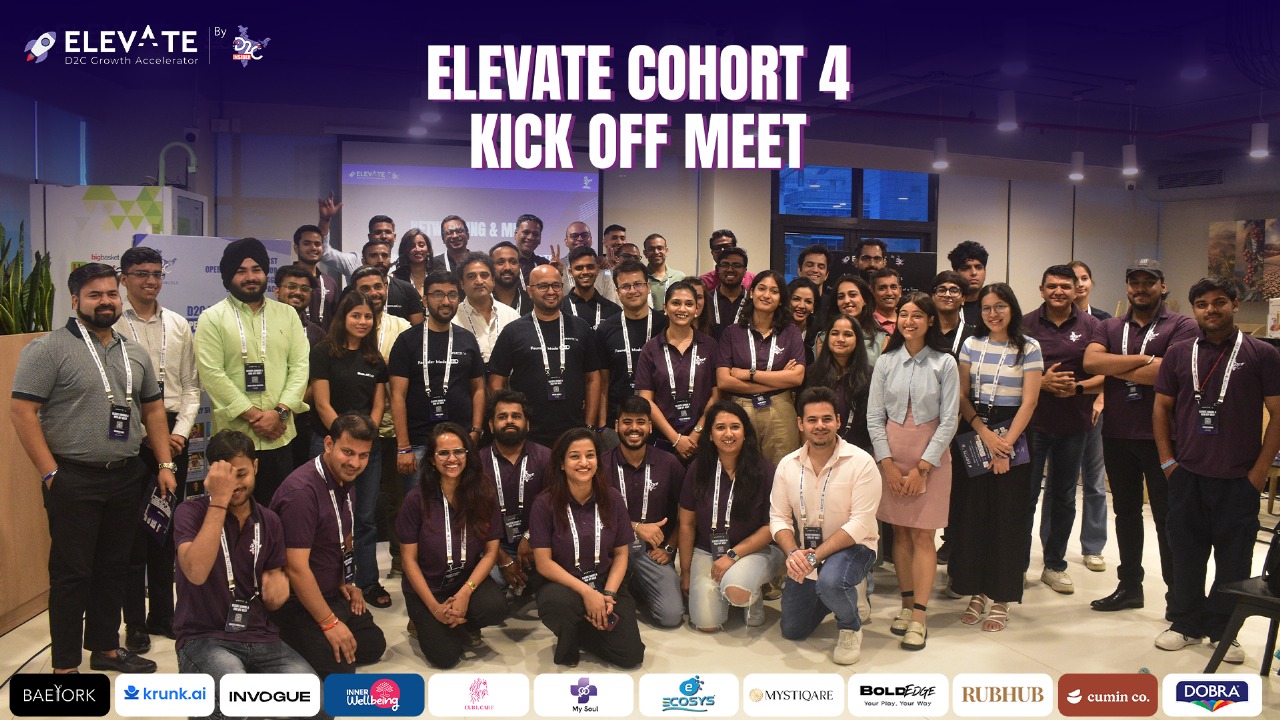
D2C Insider has officially unveiled the 12 startups selected for Elevate Cohort 4, its flagship 12-week growth accelerator programme aimed at scaling high-potential D2C startups across India. From clean wellness to cutting-edge AI, this cohort brings together a new generation of digital-first ventures tackling consumer needs with purpose, innovation, and execution.
The announcement was made during the Elevate Cohort 4 Kick-Off Meet, held on June 7 at UrbanWrk, Gurugram. While the event featured a fireside chat with Noise Co-founder Amit Khatri and a panel with industry leaders, the spotlight remained on the freshly inducted brands, which represent the cutting edge of India’s D2C evolution.
The Elevate Cohort 4 roster showcases a dynamic mix of next-generation D2C startups, each addressing distinct consumer needs with innovation and intent. Among them, DOBRA is redefining Indian food and beverage with flavour-forward desserts and beverages across D2C and retail channels, while Invogue empowers Indian women with performance-driven shapewear and fashion essentials.
Baeyork brings luxury aromatherapy to conscious consumers globally through sustainable, small-batch essential oils. In the sexual wellness space, BoldEdge is building an inclusive, accessible brand that modernizes bedroom essentials, while My Soul focuses on medicated intimacy care with doctor-backed formulations.
Curl Care delivers salon-grade haircare tailored for Indian curls, and Rubhub offers space-smart home essentials designed for modern Indian households. Inner Wellbeing pioneers pill-free functional nutrition through everyday food products that support holistic health, while Mystiqare blends global skincare rituals with Indian needs in its affordable-luxury product line.
On the tech front, Krunk.ai is enabling D2C brands to boost conversions through AI-powered sales agents, and Ecosys simplifies sustainable cleaning with its biodegradable bioenzyme laundry pods. Rounding out the cohort, Cumin Co. is bringing health-first innovation to the cookware category with toxin-free, enamel-coated cast iron essentials. Together, these brands represent the breadth of innovation and consumer focus that Elevate strives to nurture and scale, enabling them to become tomorrow’s disruptors.
“It’s inspiring to see D2C founders from diverse categories come together, all driven to scale, fundraise, and build lasting companies. Elevate is proud to enable this journey with the right support at the right stage. Excited for what this cohort will unlock.” says Chhavi Bharadwaj, Core Team, D2C Insider.
These 12 high-potential startups have been carefully selected through a rigorous evaluation process to join Elevate by D2C Insider — a growth accelerator built to fast-track consumer-first startups that have achieved product-market fit. Powered by D2C Insider, India’s leading community for digitally native startups, the program offers strategic capital through the D2C Insider Super Angels Fund, hands-on mentorship from top industry operators, go-to-market support, and culminates in a high-impact Demo Day.
Cohort 4 of Elevate kicked off with an energising day of founder networking, knowledge sharing, and vision building. The Elevate Cohort 4 Kick-Off Meet was headlined by a fireside chat featuring Amit Khatri, Co-founder of Noise, who walked attendees through the brand’s bootstrapped rise in the smart wearables category, moderated by Abhishek Shah, Chief Evangelist of D2C Insider.
Amit Khatri shared, “Early on, it’s not just about performance or scale—it’s about solving a real problem, building patiently, and finding your niche. Your product should be the hero, but having a mentor and a community makes all the difference”
A compelling panel discussion followed, themed “Beyond the Cheque: What Founders Really Need to Grow”, featuring: Sachin Uppal, Founder, NexoCircle, Shish Kharesiya, Founder & CEO, Baby & Mom, Siddharth Puri, Founder, Tyroo, Puneet Gupta, Founder & CEO, Clensta, Aabha Bakaya, Founder, Ladies Who Lead and Subir Ghosh, VP – Growth & Innovation, The Man Company.
The panel unpacked the often-overlooked factors of startup growth—mentorship, founder wellbeing, execution agility, and ecosystem trust.
The Elevate Growth Accelerator is a 12-week hybrid program by D2C Insider designed to fast-track early-stage consumer startups with strategic capital, expert-led mentorship, and access to a powerful D2C ecosystem. What makes Elevate unique is its founder-first philosophy tailored for high-growth potential startups, the program helps founders sharpen execution, scale operations, and become investor-ready.
Built by founders, for founders, Elevate not only accelerates brand growth but also embeds startups into a vibrant network of 10,000+ D2C builders, 1000+ VCs and Super Angels, with around 80+ startups accelerated, unlocking long-term peer learning and collaboration.
Today, D2C Insider stands as India’s leading platform for everything direct-to-consumer—from brands to enablers to investors —driving ecosystem-wide growth through collaboration, transparency, and collective learning.
FOIA Lawsuit Seeks U.S. Government Records on Alleged Identification of Bitcoin Creator Satoshi Nakamoto
Crypto attorney James Murphy, widely known as MetaLawMan, has initiated a Freedom of Information Act (FOIA) lawsuit against the U.S. Department of Homeland Security (DHS) in an effort to obtain documents that might disclose the true identity of Bitcoin’s elusive creator, Satoshi Nakamoto. The legal move is based on remarks allegedly made by DHS Special Agent Rana Saoud at a 2019 industry event, where she claimed that DHS agents in California had identified and interviewed a group of four people believed to be behind Bitcoin’s creation. Murphy is seeking access to related internal communications, including emails, notes, and audio recordings, asserting that the public deserves to know if the government has long been aware of this critical information. Should these claims be validated, it could lead to one of the most historic disclosures in the crypto world by finally revealing who is responsible for inventing Bitcoin.
If Non-Veg Offends, Why Order From a Non-Veg Restaurant? Mumbai Consumer Court Questions Vegetarian Complaint
A consumer court in Mumbai has rejected a complaint by a vegetarian couple who alleged that they were mistakenly served non-vegetarian momos at a Wow Momo outlet in Sion, despite specifically asking for vegetarian ones. The couple had demanded ₹6 lakh in damages for emotional trauma and hurt religious sentiments. However, the restaurant presented a bill confirming the order was for non-vegetarian momos and claimed that the couple caused a commotion, verbally abused staff, and were offered compensation in the form of a refund, complimentary food, and a ₹1,200 voucher. The District Consumer Disputes Redressal Commission found no fault in service and questioned why those with strong vegetarian beliefs would choose to order from a place that openly serves both vegetarian and non-vegetarian items. The panel highlighted that while eateries should be careful with customer instructions, it is equally important for consumers to make mindful choices that reflect their dietary and ethical values.
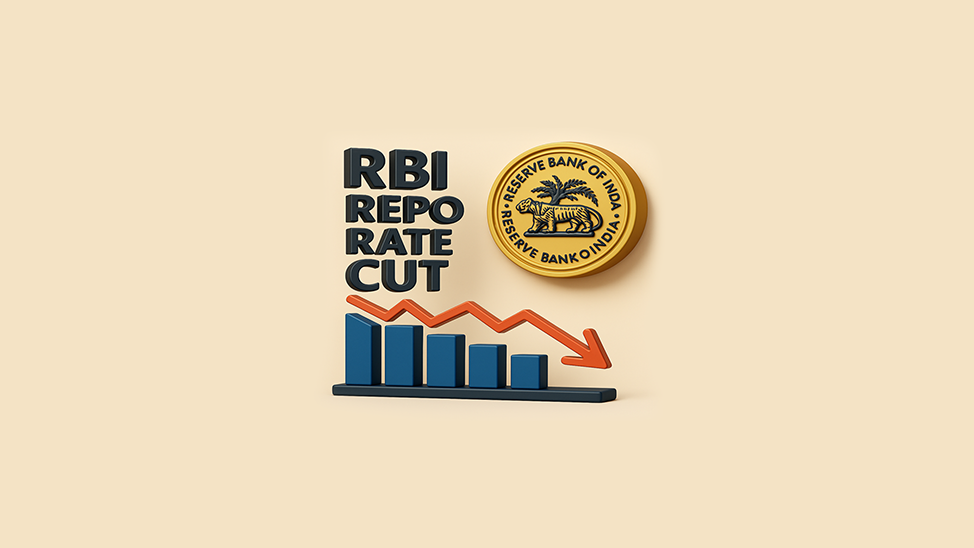
RBI Cuts Repo Rate by 50 bps: Market Experts React to Growth-Focused Policy Shift
In a significant move aimed at reviving economic growth, the Reserve Bank of India (RBI) has announced a 50 basis points cut in the repo rate, bringing it down to 5.50 percent. This marks the third consecutive rate cut by the central bank in 2025, totaling a 100 basis points reduction since February. Alongside this, the Monetary Policy Committee (MPC) has revised its policy stance from ‘Accommodative’ to ‘Neutral’, signaling a more measured and data-responsive approach amid changing macroeconomic indicators. To further support liquidity, the RBI has also reduced the Cash Reserve Ratio (CRR) from 4 percent to 3 percent, giving banks more room to lend and lower rates for borrowers.
These policy changes come at a time when inflation appears to be well under control. The Consumer Price Index (CPI) for April registered at just 3.2 percent, the lowest in nearly six years, while retail inflation stands at 3.16 percent, a level not seen since July 2019. The central bank now finds itself with more flexibility to focus on stimulating domestic demand and private investment without immediate inflationary concerns. The overall tone of the announcement suggests that the RBI is now prioritizing economic expansion while maintaining monetary stability.
Reacting to the latest decisions, Ashwani Dhanawat, Executive Director and Chief Investment Officer at Shriram General Insurance Limited, pointed out that the combination of the repo rate cut and the CRR reduction underscores the RBI’s intent to support growth through enhanced credit flow. He noted that the move could trigger increased borrowing and business activity across sectors. Dhanawat believes this policy shift, backed by low inflation, sets the stage for stronger consumer sentiment and greater disposable income, which could in turn lead to higher demand for insurance and other financial services as the economy regains momentum.
Vijay Kuppa, CEO of InCred Money, echoed a similar sentiment, observing that inflation is no longer the key concern for the central bank. According to him, the consistent moderation in food and fuel prices, combined with a favorable rabi harvest and an early monsoon, has prompted the RBI to revise its FY26 inflation projection downward to 3.7 percent from the earlier 4 percent estimate. Although the RBI has maintained its FY26 GDP growth forecast at 6.5 percent, Kuppa emphasized that the need to stimulate private consumption and capital formation is now a top priority. He added that the 100 basis points cut in CRR, when combined with the repo rate cut, enhances the banks’ ability to transmit lower rates effectively, potentially spurring both business investments and consumer borrowing.
Kuppa also highlighted that the MPC’s shift to a ‘Neutral’ stance suggests that further rate cuts are unlikely in the immediate future. He explained that future policy action will depend heavily on evolving economic data, particularly with respect to global trade trends and commodity price movements. On the personal finance front, he noted that borrowers can expect relief in the form of lower EMIs, while investors may need to act quickly to lock in fixed deposit rates before yields decline. Despite ongoing market volatility, he sees selective investment opportunities emerging in both debt and equity markets as the low interest rate environment matures.
The coordinated steps taken by the RBI reflect a timely and strategic policy intervention to energize the economy. With inflationary pressures easing and a robust liquidity injection through CRR cuts, the central bank has set the stage for stronger growth in the months ahead. Lower borrowing costs are expected to stimulate demand, accelerate the credit cycle, and foster new investment activity. As India navigates an evolving global economic landscape, these reforms position the country to sustain momentum and unlock new avenues for long-term economic resilience.
Ecom Express’ Distress Deal with Delhivery Puts Minority Shareholders at a Loss
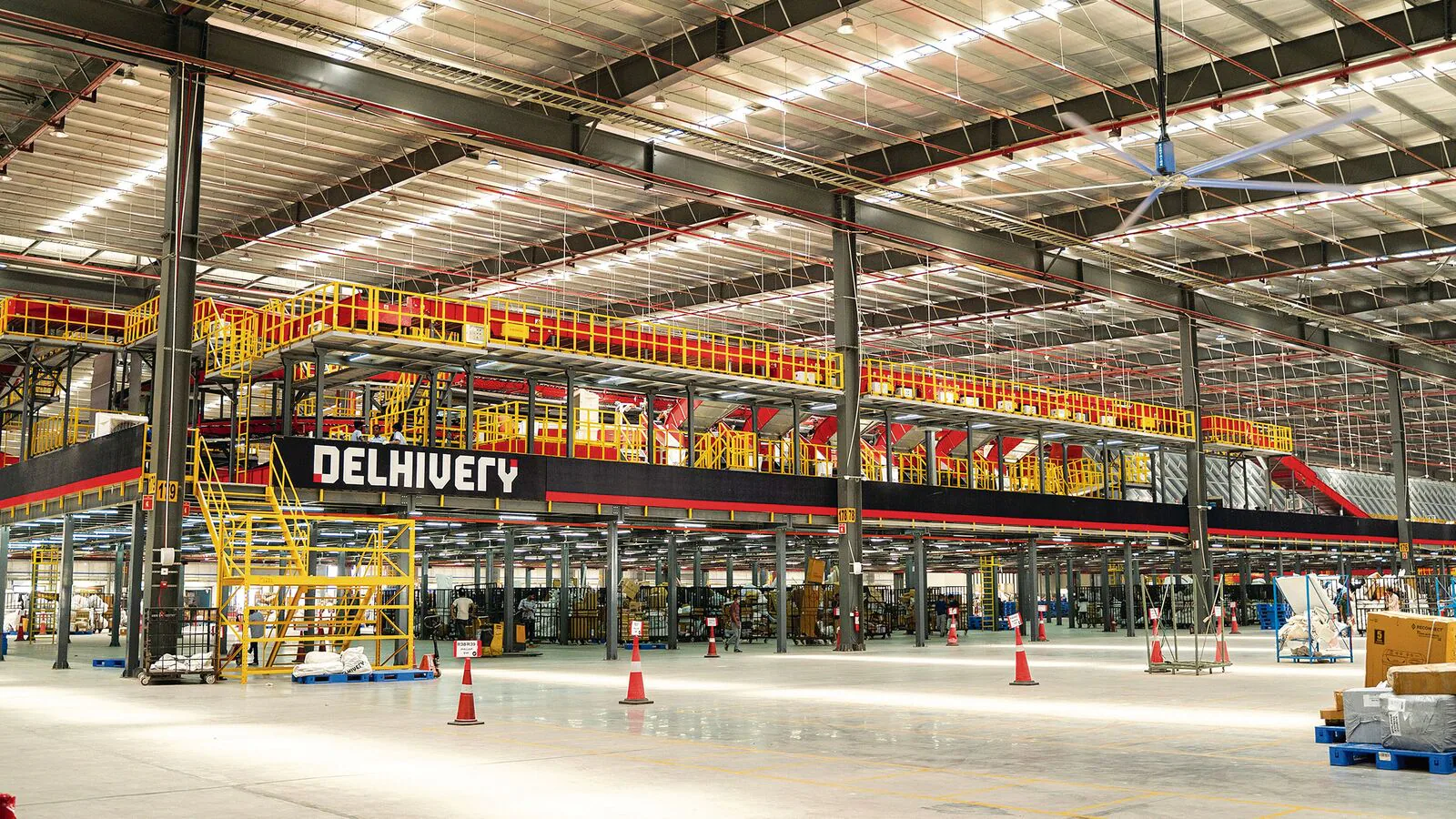
Delhivery has acquired a 99.4% stake in Ecom Express for ₹1,407 crore from key investors such as Warburg Pincus, Partners Group, and British International Investment—far below the ₹7,000 crore valuation Ecom Express previously targeted during its IPO plans. This distressed deal has sparked discontent among minority shareholders, who collectively own the remaining 0.6% and claim they were left out of the decision-making process. One such investor, Anish Jhaveri, who holds 0.5%, is reportedly exploring legal options. However, legal experts point out that unless specific rights are outlined in the shareholder agreement, minority investors have limited options, especially since Delhivery now qualifies to initiate a “squeeze-out” under Section 236 of the Companies Act, allowing it to purchase the remaining shares at a valuation set by an independent expert. Post-acquisition, Ecom Express has laid off over 150 employees and shut down certain operations. Despite minimal revenue growth of 2.2% in FY24, the company has reduced its losses compared to the previous year. The transaction is still subject to approval from the Competition Commission of India and other regulators.
RBI Governor Warns: Cryptocurrencies Pose Risk to Financial Stability
Reserve Bank of India (RBI) Governor Sanjay Malhotra expressed concern that cryptocurrencies could pose a threat to India’s financial stability. Speaking at a media interaction following the RBI Monetary Policy Committee review, Malhotra stated that while there are no new updates regarding crypto, a government-appointed committee is currently evaluating the issue.
Highlighting the risks, Malhotra reiterated the RBI’s long-standing position that cryptocurrencies could potentially disrupt both financial stability and the effectiveness of monetary policy.
His remarks follow recent comments by the Supreme Court, which questioned the government’s delay in regulating the crypto sector. The Court noted that the imposition of a 30% tax on crypto trading profits suggests some form of legal recognition, thereby making the lack of regulation even more pressing. The issue came up during a hearing on a cryptocurrency-related case, where the Court acknowledged the complexity of handling such matters without clear guidelines.
The government is reportedly in the final stages of preparing a discussion paper outlining possible policy approaches to crypto assets. This paper is expected to be released soon for public feedback and will incorporate global best practices and insights from international bodies such as the IMF and the Financial Stability Board.
India already enforces strict taxation on crypto, including a 1% TDS on transactions above ₹10,000 and a 30% tax on capital gains introduced in 2022. Regulatory pressure has intensified, with several crypto exchanges, including Binance and KuCoin, receiving show-cause notices from the Financial Intelligence Unit for operating without proper compliance.
These measures have led many crypto firms to exit the Indian market, with platforms like OKX, Pillow, Flint, and WeTrade ceasing operations. Earlier this year, Bybit temporarily halted services for Indian users, and recently, CoinDCX’s CTO Vivek Gupta stepped down after five years with the company.
Panasonic partners with MeitY Nasscom Centre of Excellence (CoE) to accelerate innovation in Smart Residential Living
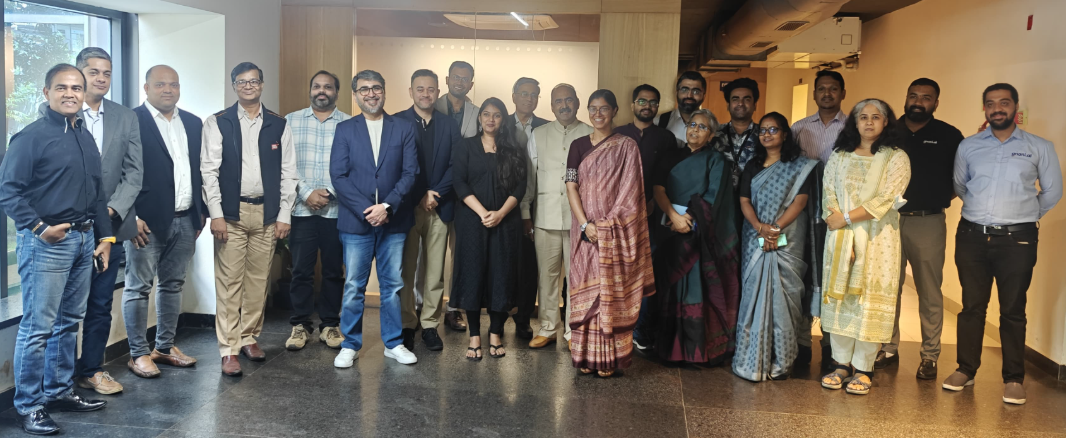
Bengaluru, 6th June, 2025: Panasonic Life Solutions India (PLSIND), a leading diversified technology company, today, in collaboration with the MeitY Nasscom Center of Excellence (CoE), convened an industry-academia roundtable – Ignition Bridge Innovation – at the Nasscom’s CoE facility in Bengaluru. The strategic dialogue platform brought together senior leaders from industry, academia, and startups to discuss the co-creation of the future of smart residential living spaces in India. The initiative is part of Panasonic’s broader vision to catalyse innovation with a focus on energy efficiency, automation, health, wellness, and safety.
Mr. Manish Misra, Chief Innovation Officer, Panasonic Life Solutions India, said, “At Panasonic, we believe the future of smart living lies at the intersection of technology, collaboration, and purpose-driven innovation. With that in mind, we’d initiated the ‘Ignition Challenge’ i.e., a corporate accelerator programme aimed at improving the lives of Indian consumers through tech breakthroughs. The Ignition Bridge Roundtable is an extension of this initiative that further bolsters our mission. Here, in association with Nasscom CoE, Panasonic is fostering innovation through collaborations with high-potential startups, academic institutions, and public-private partnerships to advance air quality, energy solutions, and smart residential initiatives. These efforts include research partnerships, smart home cluster deployments, and scalable community pilots to drive sustainable living. Our goal is to translate these innovations into accessible, affordable, and scalable experiences for Indian consumers.”
The roundtable featured insightful discussions on a wide range of themes, including smart surveillance, air quality monitoring, AI-based home automation, predictive safety systems, and sustainable energy management. Senior leadership from Panasonic, institutions such as IIT Madras, IIT Tirupati, IIT Hyderabad, IISc Bangalore, and BITS Pilani, along with deeptech startups from the Nasscom CoE network, explored collaborative models to co-develop and pilot smart home solutions that are scalable and tailored for the Indian market. Startups such as Bolt.Earth, Charzer, Biomoneta, The Energy Company, Devic Earth, and Inxense showcased innovations ranging from AI-powered security cameras and air purification systems to intelligent battery management and EV charging infrastructure.
Shri. Sanjeev Malhotra, CEO, Nasscom CoE, said, “At Nasscom CoE, we believe that the future of smart living will be shaped by collaborative innovation that bridges industry, startups, and academia. Our partnership with Panasonic is a powerful step toward this vision – bringing together cutting-edge technology, domain expertise, and entrepreneurial agility to address critical needs in residential energy, automation, and wellness.”
Over the years, Panasonic India’s Innovation Centre (IIC) has been instrumental in shaping the company’s India-led innovation strategy. Flagship initiatives include the Miraie platform—Panasonic’s connected living ecosystem that integrates smart appliances via a unified app interface; the launch of India’s first Matter-enabled air conditioner, showcasing interoperability and smart home readiness; and the Ignition – corporate innovation program that fosters partnerships with high-potential startups in collaboration with T-Hub and Beyond Next Ventures (BNV). The IIC also led the commercialisation of Nessum, a next-generation wired communication technology that enhances device connectivity within homes. Through these initiatives, PLSIND is committed to building a robust innovation ecosystem that not only delivers seamless and sustainable smart living experiences for Indian households but also contributes meaningfully to the country’s digital and energy transition goals.
The only winner under the EU carbon tax: RichMiner earns $3,860 a day from green electricity mining
The global energy consumption of crypto mining has exceeded the national electricity consumption of the Philippines, and 60% of the income of traditional mines is swallowed up by energy costs. When Musk suspended Bitcoin payments due to “carbon emissions” and the EU’s Market in Crypto Assets Regulation (MICA) imposed a 30% carbon tax on non-green electricity mining, a cloud mining platform called RichMiner, relying on its “AI + green electricity” dual engines, set an industry record of $3,860 daily returns, opening up a new blue ocean of passive income for investors.
⚡ Three technical pillars for soaring returns
RichMiner’s core competitiveness stems from its hard-core architecture that deeply integrates AI algorithms, renewable energy and compliant financial frameworks:
AI intelligent mining engine – the center for maximizing returns
Zero threshold dynamic switching: The platform AI analyzes the prices and computing power requirements of currencies such as BTC, ETH, and DOGE in real time, and automatically switches the user’s computing power to the currency with the highest return, with more than a thousand optimizations per day;
Fully automated operation and maintenance: 24/7 monitoring of mining machine status, with a self-repair rate of 95%, ensuring continuous and uninterrupted operation of equipment;
Anti-volatility strategy: When the halving of Bitcoin causes computing power fluctuations, the system automatically transfers 30% of computing power to emerging high-yield currencies (such as Dogecoin) to buffer the decline in revenue;
Green power network – the cornerstone of low-cost mining: RichMiner deploys mining farms in renewable energy-rich areas such as plateaus and global deserts;
Direct connection to power plants reduces costs by 40%: By building solar farms and wind farms, the electricity cost is only 60% of that of traditional mines;
Zero-carbon certificate traceability: Every kilowatt-hour of electricity is matched with an international renewable energy certificate (REC), and carbon emissions are more than 75% lower than coal-fired power plants;
Avoid electricity price fluctuations: Users do not need to bear the risk of fossil energy price increases (such as a 200% surge in electricity prices during the European gas crisis in 2024), and the stability of income is increased by 50%;
Green data center diagram: RichMiner’s distributed green mines use solar and wind energy to directly supply electricity, reducing energy costs by 40%.
💹 Investor strategy with a daily return of$3,860;
In 2025, RichMiner launched the “Short-term High Turnover Contract Matrix” to break through the traditional mining payback period limit with scientific calculations:

Click RichMiner for more official contract details.
Key strategies for explosive returns:
Compound interest reinvestment: Daily returns (such as $8,800 contracts earning $141.68 per day) can be invested in higher-level contracts to increase returns;
Newcomer benefits: Register and receive a $15 reward, with daily returns of $0.6;
Hedge arbitrage: When the price of Bitcoin fluctuates by more than 15%, AI automatically starts option hedging, successfully avoiding three black swan crashes in Q4 2024.
“A net profit of $3,825 for a $8,800 contract in 27 days – this is not a Ponzi scheme, but the product of algorithm optimization and green electricity cost advantages.”
🔒 Dual moats of compliance and security
Against the backdrop of frequent industry chaos (e.g., the vacancy rate of China’s intelligent computing center exceeds 80%), RichMiner has built an institutional-level risk control system:
Asset cold storage: 95% of user assets are stored in offline multi-signature wallets, with zero security incidents for three consecutive years from 2023 to 2025;
Dual-track compliance: Comply with international anti-money laundering regulations and US SEC carbon disclosure requirements at the same time, and audit reports are made public quarterly;
Green electricity financialization: Tokenize carbon emission reductions into RWA assets (e.g., 1 GREEN Token is generated for every MWh of electricity generated), which can be traded twice on the DeFi platform.
🌍 Future layout: DePIN+AI reconstructs energy network
RichMiner is evolving from a mining service provider to a green energy infrastructure operator:
Photovoltaic storage and charging smart nodes: deploy physical nodes that integrate photovoltaic panels, energy storage batteries and charging piles. Users who invest $300K in nodes can obtain triple benefits of green electricity sales + mining + grid subsidies;
EnergyGPT is online: AI models predict peak and valley electricity prices (such as the Texas power grid error rate <2%), guiding mining farms to charge when electricity prices are low and discharge at peak times for arbitrage, and the energy storage utilization rate has been increased by 40% in 2025;
Strategic cooperation with Bit Xiaolu: access to Norwegian hydropower and Bhutan wind power networks, with the goal of achieving 100% renewable energy coverage in 2025.
💎 Conclusion: The bonus window of green power mining
When traditional mines lose 30% of their profits due to carbon tax, RichMiner has opened up a channel for investors to achieve both profit and environmental protection with the triple barriers of AI dynamic optimization + green power cost reduction + compliance framework. With the full implementation of the EU MICA regulations (2025), non-green power mines will be eliminated faster, and those who plan ahead have taken the lead.
Green computing power is the future asset – every low-carbon token is rewriting the valuation logic of the crypto world.
Take action now:
✅ Visit the official website RichMiner to receive a $15 bonus
✅ Choose a 27-day lightning contract to lock in $3,860 daily income
PhysicsWallah–Drishti IAS Mega Deal Falls Through as Coaching Giant Opts for Independence
The proposed acquisition of Drishti IAS by edtech giant PhysicsWallah has been officially dropped, primarily due to strategic and financial considerations. Although discussions had reached an advanced stage and the deal was estimated between ₹2,500 crore and ₹3,000 crore, Drishti IAS decided to continue as an independent entity, highlighting its solid financial performance and profitability. Founded in 1999, the institute recorded ₹405 crore in revenue and ₹90 crore in net profit for FY2023–24, with optimistic projections for FY2024–25. For PhysicsWallah, the acquisition was seen as a way to strengthen its offline presence, especially with an IPO on the horizon. With talks concluded, both firms will now focus on their respective growth paths independently.