Economic Relief Amid Global Trade Shifts
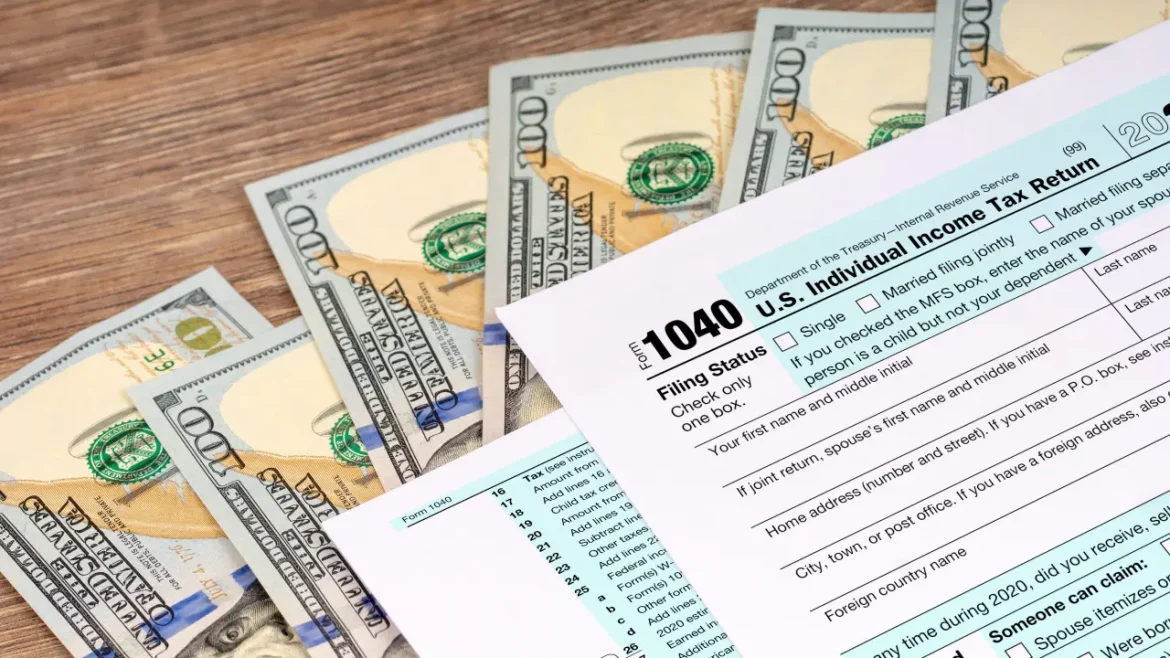
As 2025 unfolds, discussions around a stimulus check 2025 program—dubbed the Trump Tariff Dividend—are gaining momentum across the U.S. economy. The proposal, often referred to as the $2000 Trump stimulus check, aims to redirect tariff revenues toward direct payments to American households. Supporters are calling it the “$2000 tariff dividend”, positioning it as both an economic stimulus and a populist move amid growing inflation and global trade realignments.
The idea behind the stimulus check 2025 comes at a pivotal moment. The global economy is navigating through major shifts in technology and supply chains—highlighted by landmark announcements like the recent AMD–OpenAI strategic partnership. With AI infrastructure expanding and industries evolving, the Trump 2000 payment plan seeks to offset the cost-of-living impact on American families while maintaining competitiveness in a rapidly changing economic landscape.
The Concept of the Tariff Dividend
The tariff dividend concept is built on the idea that tariffs collected from imported goods—especially from China—could be redistributed to citizens as a “dividend.” Former President Donald Trump has floated this concept as part of his renewed economic agenda. The Trump tariff dividend proposal envisions using tariff proceeds as a sustainable funding mechanism for a $2000 stimulus check 2025 package, effectively bypassing the need for new taxes or borrowing.
Proponents argue that the Trump $2000 payment would not only stimulate spending but also reinforce the administration’s America-first trade policies. Critics, however, caution that tariffs could increase consumer prices, offsetting the potential benefits of the dividend.
Economic Implications of the 2025 Stimulus
The stimulus check 2025 discussion ties closely to the broader economic narrative of 2025, characterized by advances in AI, semiconductor investments, and global competition. The recent OpenAI–AMD partnership, which involves deploying six gigawatts of GPU power starting in 2026, reflects the scale of technological investment driving economic growth. As AI-driven industries expand, there’s a growing demand for policies that ensure economic inclusion—something the Trump tariff dividend seeks to address.
Economists predict that if implemented, the 2000 tariff dividend could inject billions into the consumer market, boosting short-term spending and retail growth. However, questions remain about long-term sustainability and inflationary pressures. Still, for many Americans, the Trump 2000 payment represents immediate relief amid rising costs and shifting job markets.
Political and Public Response
Public response to the stimulus check 2025 idea has been mixed but largely optimistic among lower and middle-income households. The promise of a $2000 Trump stimulus check resonates with those who benefited from previous relief rounds during the pandemic. Financial analysts point out that a targeted tariff dividend could reinforce domestic consumption, while others argue for broader structural reforms to ensure fiscal stability.
As the 2025 election landscape evolves, the Trump tariff dividend proposal could become a central economic talking point. Observers believe it offers a politically strategic blend of populist appeal and protectionist trade policy—particularly appealing to voters concerned about manufacturing jobs and inflation.
The Future of Stimulus in a Tech-Driven Economy
The intersection of advanced technology and economic policy is becoming increasingly evident. With partnerships like OpenAI and AMD accelerating AI innovation, automation, and infrastructure growth, economists stress the need for safety nets like the stimulus check 2025 to cushion workers during technological transitions. The tariff dividend model, while unconventional, symbolizes a shift toward more creative fiscal approaches that integrate global trade outcomes with domestic relief.
In short, the $2000 Trump stimulus check or 2000 tariff dividend proposal is reshaping conversations about how governments can leverage trade revenues for citizen welfare. Whether it materializes into legislation or not, it has already reignited debates about balancing innovation, equity, and fiscal responsibility in 2025’s complex economic environment.Stay updated with the latest startup and economic news at StartupNews.fyi