
AI
AI Demand Pushes GPU Prices Higher, Boosting Nvidia’s Market Position
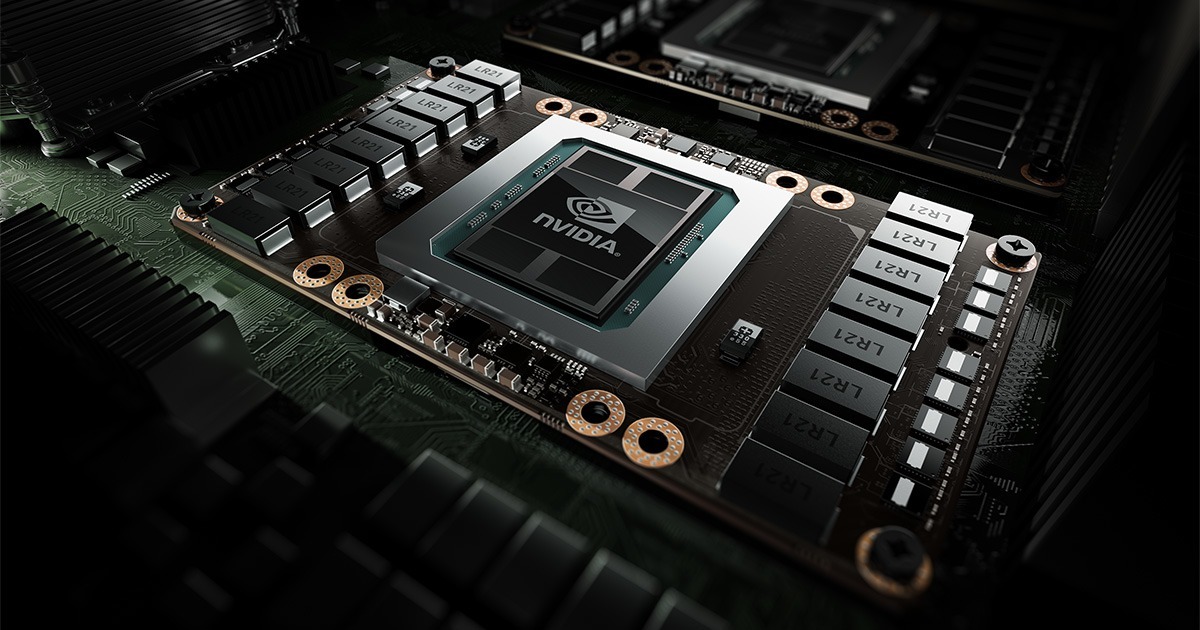
Surging demand for artificial intelligence infrastructure is pushing GPU prices higher, reshaping the semiconductor market and directly influencing investor sentiment around Nvidia. As AI workloads expand across data centers, cloud platforms, and enterprises, graphics processing units have become one of the most critical — and constrained — components in the global tech supply chain.
The trend is having a clear impact on Nvidia’s business outlook, reinforcing its leadership position while also raising broader questions about pricing, accessibility, and long-term sustainability.
Summary
AI-driven demand for high-performance GPUs is keeping prices elevated, strengthening Nvidia’s revenue growth and supporting its stock performance. While investors see this as a positive signal, higher GPU costs are creating ripple effects across gaming, enterprise computing, and hardware supply chains.
AI Is Reshaping GPU Economics
Artificial intelligence systems rely heavily on parallel computing, making GPUs essential for training and running large models. As companies race to deploy AI at scale, demand for advanced chips has accelerated faster than supply can expand.
This imbalance has shifted GPUs from consumer-focused components into strategic infrastructure assets. Data centers and cloud providers are now among the largest buyers, often willing to pay premium prices to secure capacity.
As a result, GPU pricing dynamics are increasingly shaped by enterprise needs rather than consumer affordability.
Nvidia’s Advantage in the AI Boom
Nvidia sits at the center of this shift. Its GPUs are widely regarded as the industry standard for AI training and inference, giving the company significant pricing power.
Investors view Nvidia’s position as structurally strong. Elevated GPU prices translate directly into higher margins and sustained revenue growth, reinforcing confidence in the company’s long-term prospects as AI adoption expands across industries.
The continued willingness of customers to pay premium prices has become a key driver behind optimism surrounding Nvidia’s stock performance.
Supply Constraints Keep Prices Elevated
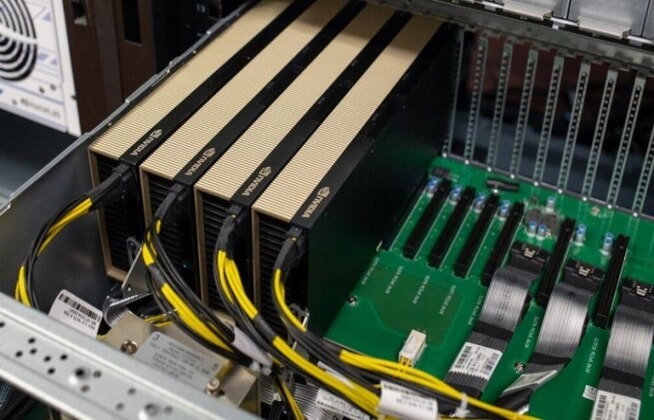
Despite efforts to expand production, GPU supply remains constrained. Advanced chip manufacturing depends on limited fabrication capacity and complex supply chains, making rapid scaling difficult.
Key factors contributing to higher prices include:
- Intense AI-driven demand from data centers
- Limited availability of advanced chip manufacturing
- High costs associated with cutting-edge fabrication
- Long lead times for capacity expansion
These constraints suggest that pricing pressure is unlikely to ease in the near term.
Impact Beyond Nvidia
While Nvidia is the primary beneficiary, elevated GPU prices affect the broader technology ecosystem. Enterprises face higher infrastructure costs, which can slow deployment timelines or increase service prices.
Gamers and PC builders continue to feel the effects as well, with consumer GPUs remaining more expensive than in previous cycles. This has altered upgrade behavior and extended hardware replacement timelines.
Even competitors like AMD face similar dynamics, as AI demand competes with consumer markets for limited production capacity.
Investor Perspective
From an investment standpoint, sustained GPU pricing power is largely viewed as a positive signal for Nvidia. It suggests durable demand and reinforces the company’s competitive moat in AI hardware.
However, some analysts caution that prolonged high prices could eventually attract greater competition or regulatory scrutiny. Long-term performance will depend on Nvidia’s ability to maintain technological leadership while managing customer concentration risks.
Outlook for the GPU Market
Looking ahead, most industry observers expect AI demand to remain strong, keeping GPUs in short supply. While incremental improvements in manufacturing capacity are underway, meaningful relief may take time.
In the medium term, GPU pricing is likely to stay elevated, especially for high-end products tied directly to AI workloads. This environment continues to favor established leaders with scale and deep customer relationships.
Conclusion
AI’s rapid expansion has transformed GPUs into critical infrastructure, driving prices higher and reinforcing Nvidia’s dominant position in the market. For investors, the trend strengthens confidence in Nvidia’s growth trajectory, even as it creates challenges for consumers and smaller enterprises.
As AI adoption deepens, GPU pricing and supply will remain central factors shaping both the semiconductor industry and the broader technology economy.
Key Highlights
- AI demand is driving sustained GPU price increases
- Nvidia benefits from strong pricing power and margins
- Supply constraints limit near-term price relief
- Higher GPU costs impact consumers and enterprises
- Investor confidence tied to Nvidia’s AI leadership