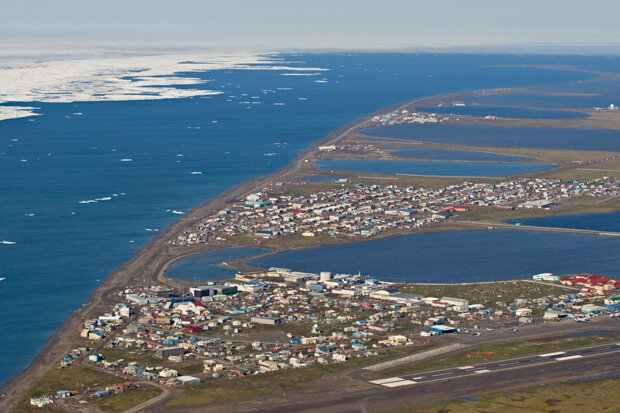
Barrow, Alaska Enters Polar Night: Months of Darkness Begin in Utqiagvik
Barrow Alaska Welcomes the Polar Night Season
Barrow, Alaska, now officially known as Utqiagvik, has entered its annual period of total darkness known as the Polar Night, according to a new report from Fox Weather. This unique natural event marks the moment when the sun sets below the horizon and won’t rise again for more than two months.
Located at the northernmost point of the United States, Barrow Alaska experiences some of the most extreme seasonal daylight variations in the world. The Polar Night began this week, meaning residents won’t see another sunrise until late January.
What Is the Polar Night?
The Polar Night occurs every winter in areas north of the Arctic Circle, where the tilt of the Earth keeps the sun below the horizon for extended periods. In Utqiagvik, this period lasts around 65 days, with complete darkness dominating the Arctic skies.
However, it’s not entirely pitch-black all the time. Locals still experience a few hours of twilight each day, creating a dim, blue-tinged atmosphere that reflects off the snow and ice. This soft Arctic glow is often called “civil twilight” and provides just enough light for daily activities.
Life in Utqiagvik During the Long Darkness
Living in Barrow Alaska during the Polar Night requires significant adaptation. Residents prepare by adjusting sleep schedules, maintaining strong community connections, and relying on artificial lighting to maintain circadian rhythms.
Local businesses, schools, and essential services continue to operate normally, although many people turn to indoor activities and traditional cultural events to stay active and positive during the long stretch of darkness.
Mental health experts encourage residents to use light therapy lamps and vitamin D supplements to offset the effects of reduced sunlight exposure.
The Beauty and Challenge of Arctic Life
Despite the extreme conditions, many residents and visitors embrace the Polar Night as a breathtaking natural phenomenon. The absence of sunlight enhances the visibility of the Northern Lights, which frequently paint the sky with vivid shades of green, purple, and red.
For photographers and scientists, Utqiagvik becomes a dream destination during this season. The dark sky creates ideal conditions for astronomical research and aurora photography.
However, temperatures often drop below –20°F (–29°C), and blizzards can strike without warning, making Arctic life both stunning and harsh.
Barrow Alaska’s Cultural Heritage and Spirit
Utqiagvik, formerly known as Barrow, is home to the Iñupiat people, whose traditions and resilience have defined Arctic living for thousands of years. During the Polar Night, local families celebrate cultural gatherings and storytelling events that connect the community to its heritage and environment.
The city’s new name, Utqiagvik, which means “the place for gathering wild roots,” was officially restored in 2016 to honor its Indigenous roots and cultural identity.
The Science Behind the Darkness
Scientists explain that the Polar Night happens due to the 23.5-degree tilt of Earth’s axis. As the planet orbits the sun, regions north of the Arctic Circle tilt away from direct sunlight in winter, leading to prolonged darkness. Conversely, during summer, Barrow Alaska experiences the Midnight Sun, when daylight lasts for nearly 24 hours.
These dramatic shifts make the Arctic one of the most fascinating regions for studying the effects of light cycles on ecosystems and human health.
What’s Next for Utqiagvik
The next sunrise in Utqiagvik is expected around January 23, marking the end of the Polar Night and the return of daylight. Until then, residents will continue to navigate the darkness with a mix of tradition, technology, and community resilience.
For now, the Arctic town remains one of the few places on Earth where people can truly experience life without sunlight—a powerful reminder of nature’s extremes and the adaptability of human spirit.
Stay Updated With Global Weather & Human Stories
For more in-depth stories about nature, science, and global communities, visit StartupNews.fyi.