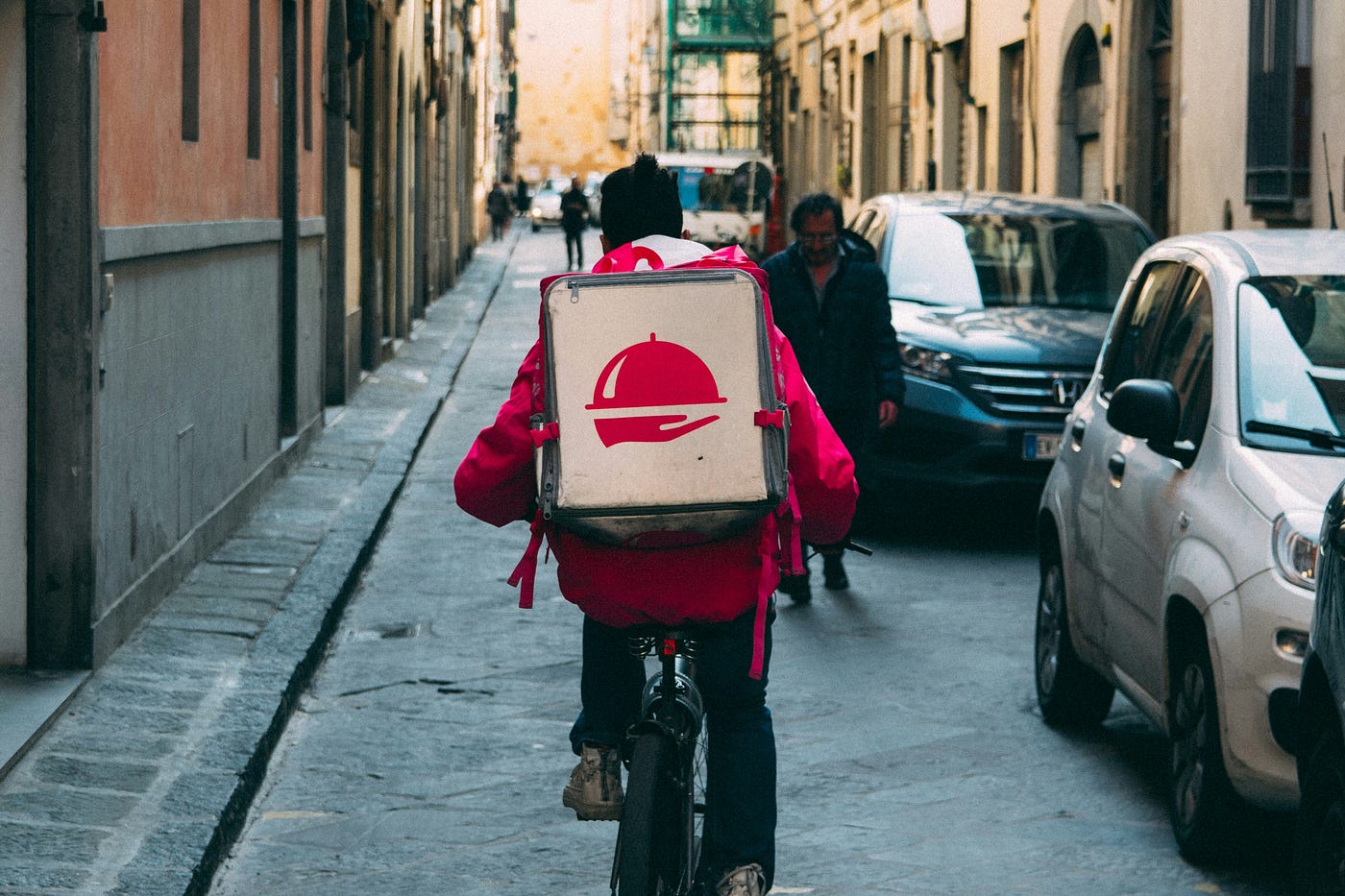
Menulog’s Two-Decade Run Comes to an End
After more than 20 years serving Australian customers, Menulog has announced it will officially shut down operations in Australia by November 26, 2025. The decision has sent ripples across the food delivery industry in Australia, marking the end of one of the country’s earliest homegrown delivery platforms.
Once seen as a pioneer, Menulog helped popularize online ordering long before the arrival of Uber Eats and DoorDash. However, in recent years, it struggled to keep up with fierce competition, rising operational costs, and shifting consumer behavior amid a worsening cost-of-living crisis.
The company, originally founded in Sydney but later acquired by Dutch delivery giant Just Eat Takeaway, said the “challenging business environment” and “unsustainable economics” made it impossible to continue operating in Australia.
Restaurant Owners Saw It Coming
While the announcement shocked some consumers, many restaurant owners weren’t surprised. In fact, several had already abandoned the platform years earlier.
Chris Ratnaike, owner of Barry’s Burgers in Adelaide, told 9News he stopped using Menulog after a series of poor delivery experiences damaged his restaurant’s reputation. “We got bad reviews because drivers wouldn’t accept orders, or food arrived cold,” he said. “I’m not surprised it shut down — it was inevitable.”
Ratnaike added that while losing another delivery option isn’t ideal, it highlights deeper issues within the Australian food delivery market, where a handful of big players now dominate. “It just gives Uber more market share, and that’s not a good thing for restaurants,” he said.
In response, Ratnaike decided to take control by launching his own online ordering app, using DoorDash drivers for delivery but managing the customer experience directly. “At least now, we can control our prices and our customer relationships,” he explained.
The Economics Behind the Crisis
For many small businesses, the numbers simply don’t add up anymore. Most third-party delivery apps, including Uber Eats and DoorDash, take up to 30% commission per order — a cut that often wipes out a restaurant’s profit margin entirely.
Martin Prenga, who runs Dolce Napoli in Sydney’s Balmain, said he stopped using delivery apps after realizing they were “pointless.” “It’s literally no profit whatsoever,” he said. “You’re just working for them.”
Instead, Prenga shifted to a pickup-focused model, offering customers 10% discounts when they collect their orders directly. The strategy has worked — he says he hasn’t lost any business, and customers appreciate the lower prices.
Prenga believes Menulog’s collapse is a warning for the rest of the industry. “They’ll either have to lower their commissions or pull out of Australia too,” he warned. “The 30% cut is insane. Restaurants can’t survive on that.”
The Consumer Perspective
It’s not just restaurants feeling the pinch — customers are paying more than ever.
A $20 meal at a local restaurant can easily cost $30 or more on a delivery app once service fees and delivery charges are added. For many Australians already battling rising rent, fuel, and grocery prices, delivery food has become a luxury rather than a convenience.
“I think customers are realizing it’s cheaper to order direct or pick up,” Ratnaike noted. “You pay 50% more through an app, but the restaurant doesn’t get any of that extra money.”
This growing frustration has driven a slow but noticeable shift back toward direct ordering systems, where consumers interact with restaurants directly instead of through middlemen.
Menulog’s Legacy and What Comes Next
Menulog’s departure marks the end of an era for food delivery in Australia, but also raises important questions about the sustainability of the gig economy. The company’s closure leaves Uber Eats and DoorDash as the dominant players — both of which have been criticized for high fees, driver pay issues, and lack of transparency.
However, this shake-up could create opportunities for new Australian startups to reimagine food delivery in a fairer, more sustainable way. Smaller, locally run delivery platforms and restaurant-owned apps are beginning to emerge, offering lower fees and greater control for business owners.
Mario Maccarone, co-founder of Melbourne’s legendary Marios Café, said his restaurant has never used delivery apps — and never will. “It doesn’t work for us,” he explained. “We focus on experience and community. If you take that away for the sake of convenience, you lose something important.”
The Road Ahead for Food Delivery in Australia
With Menulog’s exit, Australia’s food delivery landscape enters a new phase. The model that once promised convenience and innovation is now under pressure to evolve. Rising costs, market saturation, and consumer fatigue are forcing both restaurants and tech companies to rethink how food delivery should work.
The message from restaurant owners is clear: sustainability, fairness, and profitability must come before flashy apps and convenience.
As the food delivery industry in Australia adjusts to a post-Menulog world, the winners will likely be those who build direct relationships with customers — cutting out the middleman and keeping the focus where it belongs: on good food and community.
Stay updated on business, tech, and startup trends shaping Australia at StartupNews.fyi.