

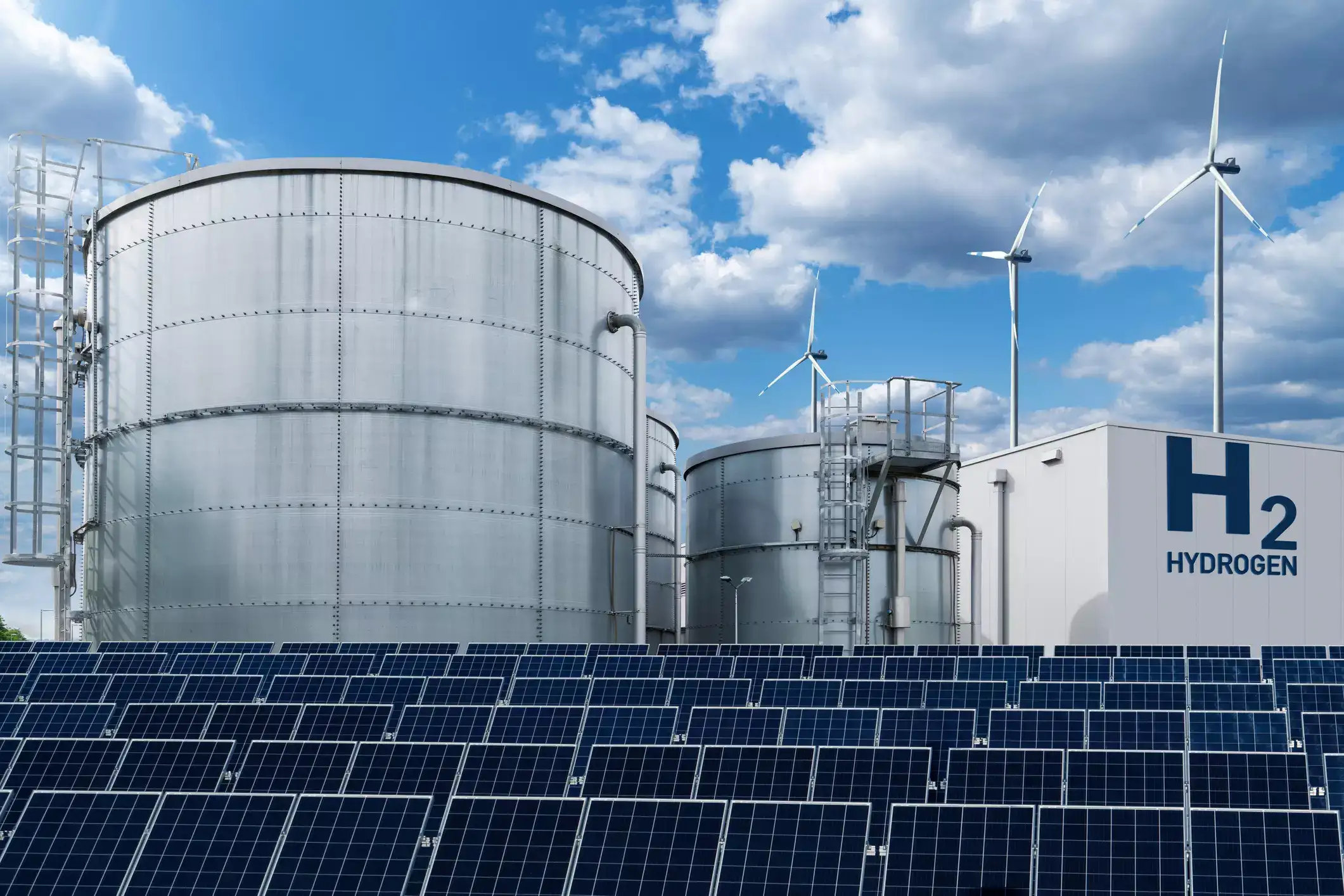
BNEF had in the past forecast steep declines in the price of green hydrogen, which is made by splitting it from water with machines called electrolysers running on renewable power. But in its forecast published Monday, the firm more than tripled its 2050 cost estimate, citing higher future costs for the electrolysers themselves. BNEF now forecasts green hydrogen to fall from a current range of $3.74 to $11.70 per kilogram to $1.60 to $5.09 per kilogram in 2050.
For comparison, the most common form of hydrogen used today — stripped from natural gas, with the carbon emissions vented into the atmosphere — costs from $1.11 to $2.35 per kilogram, according to BNEF. The research firm expects prices for such “gray” hydrogen to remain largely the same through mid-century.
“The higher costs for producing green hydrogen without any subsidies or incentives means it will continue to be challenging to decarbonise hard-to-abate sectors, such as chemicals and oil refining, with hydrogen produced via electrolysis powered by renewables,” said BNEF analyst Payal Kaur.
Those industries along with steel mills and power plants have been tagged as possible end users of the gas. But doing so would require expensive new equipment, which has stunted demand. Only two markets — China and India — are likely to see green hydrogen become cost-competitive, according to BNEF. There, the cleaner fuel will reach a comparable price to gray hydrogen by 2040. The forecast puts Biden’s goal of driving US hydrogen costs down to $1 per kilogram by 2031 out of reach. Many analysts consider that price essential to convincing potential customers to start using the fuel. BNEF took an in-depth look at how green hydrogen will fare in New York, Texas and Utah. The report found that Texas will create the cheapest green hydrogen but costs will only fall from $7.22 per kilogram today to $4.82 in 2030. If Biden’s planned tax credit of $3 per kilogram is included, Texas hydrogen costs could fall below $1 by 2040, according to the forecast.
The fate of US hydrogen policies remains uncertain, with President-elect Donald Trump set to take office in January. Although industry executives remain hopeful he will continue many of Biden’s initiatives — in part because oil companies are interested in hydrogen — Trump has said little about it. His threatened tariffs on imported products could boost the price of foreign-made electrolysers, but BNEF’s price forecast did not take tariffs or subsidies into account.
Slow hydrogen demand growth, meanwhile, has forced companies worldwide to scale back their ambitions. Equinor ASA, Shell PLC and Origin Energy Ltd. all canceled hydrogen production projects this year due to a lack of buyers.







